- Your Pet's Wellbeing
- Posts
- Do Female Cats Groom More Than Male Cats?

Cats are infamously clean animals, spending a surprising amount of their waking hours licking, washing, and smoothing their fur. But many pet parents notice differences in grooming habits between cats and one common question is whether female cats groom more than male cats. While every cat is different, there are some real behavioral, hormonal, and social factors that can influence how much time a cat devotes to grooming.
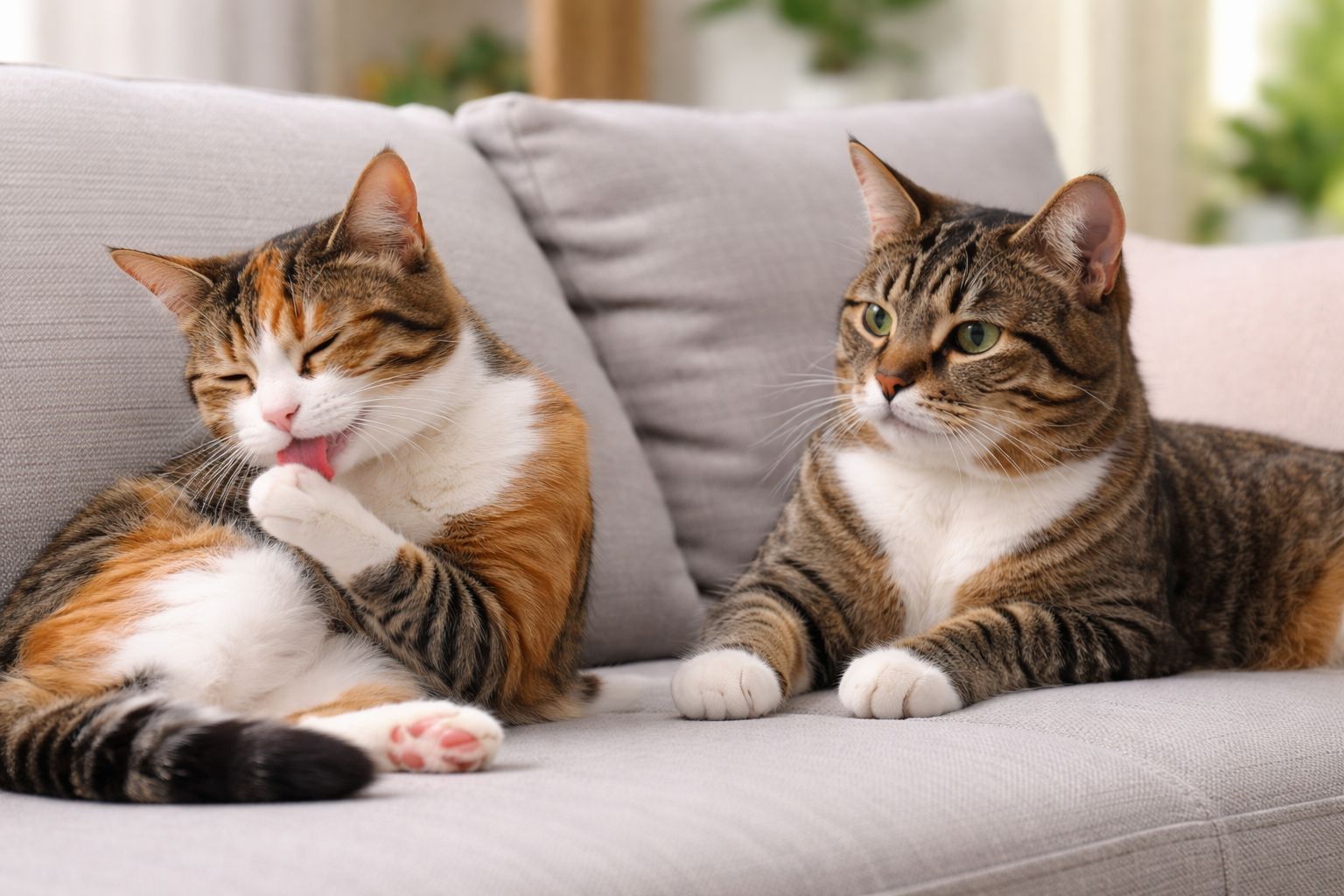
By recognizing these grooming differences, it can help you better understand your cat’s behavior, identify what’s normal, and catch potential health or stress issues early.
Grooming Behavior in Cats: Why Cats Lick So Much
Grooming is far more than a cosmetic routine for cats. Licking helps remove dirt, loose hair, and parasites, distributes natural oils across the coat, and regulates body temperature. Grooming also plays an important role in emotional regulation as many cats groom themselves to self-soothe when they feel anxious or overstimulated.
In general, cats can spend anywhere from 30 to 50 percent of their day grooming. How that time is divided, however, can vary based on sex, hormones, environment, and personality.
Do Female Cats Groom More Than Male Cats?
In general, female cats do tend to groom more frequently and more thoroughly than male cats. This difference is subtle rather than dramatic, but it has been observed by veterinarians and behaviorists, particularly in multi-cat households.
Female cats are often more meticulous groomers, focusing on consistency and cleanliness. Male cats may groom adequately but are sometimes less detailed or less persistent especially if they have not been neutered. That said, neutered males often groom more than no-neutered males, narrowing the gap significantly.
And sometimes a female cat will start grooming and another cat, male or female, will think “good idea” and start their own grooming process.
Hormones and Their Role in Grooming Differences
Hormones play an important role in grooming habits. Male cats that have not been neutered produce higher levels of testosterone, which is associated with roaming, marking, and territorial behaviors. These priorities can sometimes take precedence over extended grooming sessions.
Female cats, particularly spayed females, often have more stable hormone levels. This hormonal balance may support calmer routines, including regular grooming. Spaying and neutering both tend to reduce hormone-driven behaviors, which is why grooming differences between male and female cats often become less noticeable after sterilization.
Social Grooming: Do Female Cats Groom Others More?
Allogrooming, or social grooming between cats, is another area where females may stand out. Female cats, especially those raised together, are more likely to groom other cats as a bonding behavior. This is particularly common between related females or even male and female siblings.
Male cats can engage in social grooming as well, but it may be less frequent or shorter in duration. In some cases, what looks like grooming between males can quickly turn into play or mild dominance behavior.
Overgrooming and Stress-Related Grooming
More grooming isn’t always better. Female cats may be slightly more prone to stress-related overgrooming, especially in response to environmental changes such as new pets, moves, or schedule disruptions. Excessive grooming can lead to hair thinning, bald patches, or skin irritation.
Male cats are not immune to overgrooming, but when stress manifests, they may be more likely to display other behaviors such as spraying, aggression, or withdrawal instead of increased grooming.
Coat Condition: Does Grooming Affect Appearance?
Because female cats often groom more consistently, their coats may appear smoother, cleaner, and less oily. Male cats can sometimes have a greasier or slightly unkempt coat, especially around the neck and base of the tail.
Neutering male cats often leads to noticeable improvements in coat condition and grooming frequency, further supporting the role hormones play in grooming behavior.
When Grooming Habits Are a Cause for Concern
Regardless of sex, changes in grooming habits can signal a problem. A cat who suddenly stops grooming may be experiencing pain, arthritis, dental disease, or obesity. A cat who suddenly grooms excessively may be dealing with stress, allergies, parasites, or skin conditions.
Paying attention to what’s normal for your individual cat is more important than comparing male versus female behavior alone.
The Bottom Line on Female vs Male Cat Grooming
Therefore, do female cats really groom more than male cats? In many cases, yes, but the difference is influenced by hormones, personality, environment, and whether a cat is spayed or neutered. Female cats often groom more thoroughly and engage more in social grooming, while male cats may be slightly less meticulous, even more so if they are not neutered.
Ultimately, healthy grooming looks different for every cat. What matters most is consistency, coat condition, and noticing changes in your cat’s grooming habits whether it’s too much or too little.