- Your Pet's Wellbeing
- Posts
- Is It Normal For My Cat To Have Eye Discharge?

If you notice discharge around your cat’s eyes, it can be unsettling, especially when it shows up unexpectedly or if it looks a little different than usual. Many cat parents casually call this buildup “eye boogers,” but the more accurate term is eye discharge. Therefore, the real question becomes: is it normal for a cat to have eye discharge, or does it mean something is wrong?
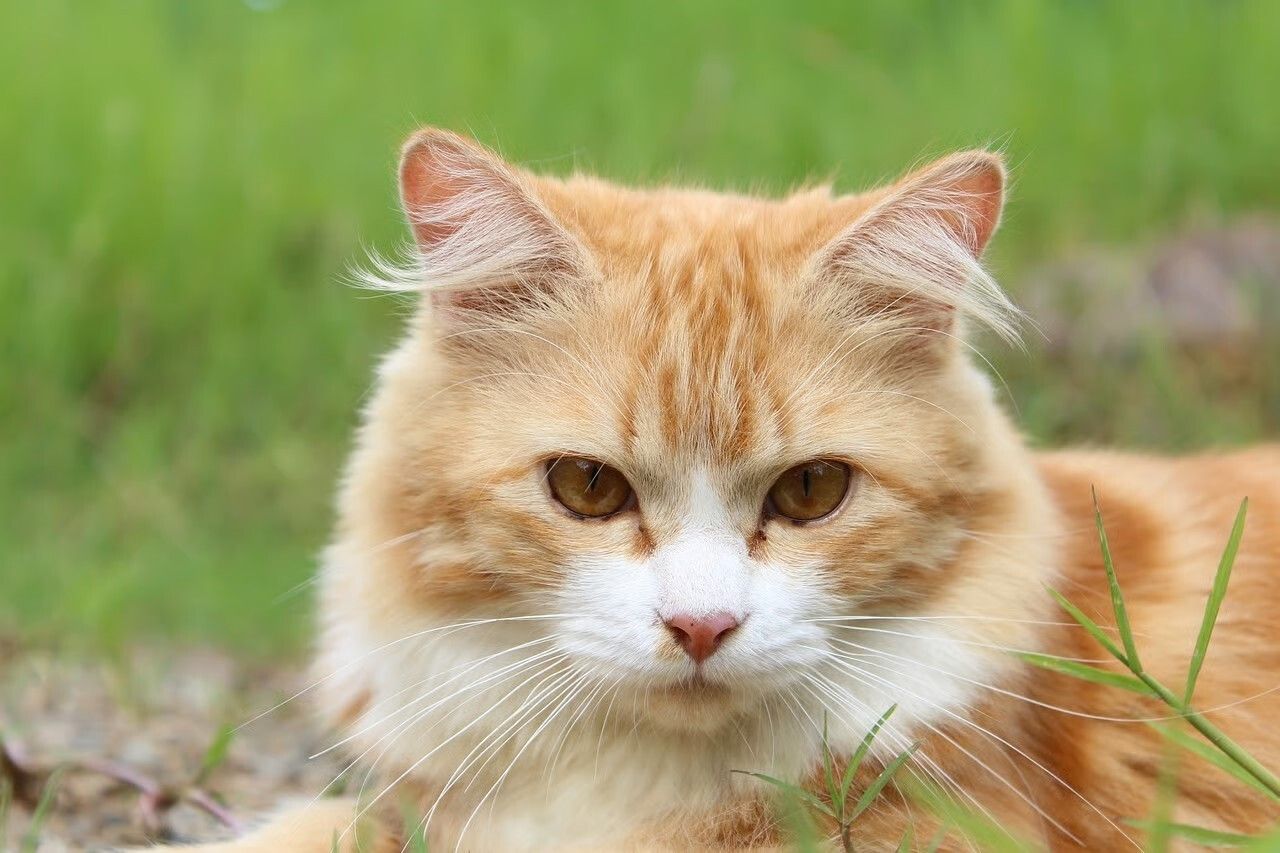
In many cases, a small amount of eye discharge in cats is completely normal. However, changes in the color, texture, or frequency of the eye discharge can signal an underlying issue. It is important to learn what’s normal for your cat’s eyes so you can notice problems sooner and act quickly before they worsen.
What Is Eye Discharge in Cats?
Eye discharge in cats refers to fluid, mucus, or debris that collects in or around the corners of their eyes. Cats naturally produce tears to keep their eyes lubricated and to flush out dust or irritants. When these tears dry, they can leave behind a small amount of residue that owners often notice after a nap or grooming session.
Normal eye discharge usually stays minimal and does not cause your cat any discomfort. However, when the discharge in your cat’s eyes increase or change in appearance, it often means his or her eye is reacting to irritation, inflammation, or infection.
What Normal Cat Eye Discharge Looks Like
Healthy cat eye discharge is typically clear, slightly cloudy, or light brown once dried. The texture is thin or mildly crusty, and the discharge is small and easy to wipe away. Your cat’s eyes should appear bright, fully open, and free of redness or swelling.
Many cats wake up with a tiny bit of discharge in the corners of their eyes, especially after sleeping for long periods. As long as your cat is not squinting, pawing at their eyes, or acting like he is uncomfortable, this type of discharge usually falls within the normal range.
Signs That Eye Discharge Is Not Normal
Abnormal eye discharge in cats looks noticeably different. Thick, sticky discharge that is yellow, green, gray, or white often points to an infection. Excessive tearing that constantly wets the fur around a cat’s eyes may signal blocked tear ducts or ongoing irritation.
Other red flags include redness of the eye or eyelids, swelling, frequent blinking, squinting, or your cat keeping one eye closed. Behavioral changes such as lethargy, hiding, or loss of appetite alongside eye discharge should never be ignored. These signs suggest that the issue extends beyond simple eye gunk.
Common Causes of Eye Discharge in Cats
There are several conditions that can cause excessive or abnormal eye discharge. Eye infections are among the most common causes. Bacterial infections, viral infections such as feline herpesvirus, and secondary infections can all lead to thick discharge and inflamed eyes.
Allergies also contribute to watery or mucous-like discharge. Your cat might be reacting to pollen, dust, mold, cigarette smoke, or strong household cleaners. In these cases, eye discharge may fluctuate depending on exposure to the irritant.
Eye injuries or eye infections are another frequent cause. Scratches from rough play, foreign objects, or overgrooming can trigger increased tear production as the eye tries to heal itself. Blocked tear ducts prevent normal drainage which can cause the tears to overflow and collect around the eyes.
In some cases, dental disease or sinus issues can contribute to eye discharge because of the close proximity between the eyes, teeth, and nasal passages.
Are Some Cats More Prone to Eye Discharge?
Certain cats experience eye discharge more often than others. Flat-faced breeds such as Persians, Himalayans, and Exotic Shorthairs are especially prone due to their facial structure. Because these breeds have shallow eye sockets and narrow tear ducts, it can make proper tear drainage more difficult which can lead to chronic watery eyes and discharge.
Kittens may also have eye discharge as their immune systems mature, particularly if they have been exposed to upper respiratory infections. Senior cats may develop chronic eye conditions or reduced tear quality, making discharge more noticeable with age.
How to Safely Clean Eye Discharge in Cats
If your cat has mild, normal eye discharge, gentle cleaning helps keep their eyes comfortable and reduces buildup. Use a soft cloth or cotton pad dampened with warm water. Wipe gently from the inner corner of the eye outward and always use a separate pad or cotton ball for each eye to avoid spreading bacteria.
Never use human eye drops, medicated wipes, or homemade solutions unless your veterinarian specifically recommends them. Regular cleaning not only improves your cat’s comfort, but it can also help you monitor changes in your cat’s eye health.
When to See the Vet for Cat Eye Discharge
You should contact your veterinarian if the eye discharge becomes thick, colored, excessive, or persistent. Discharge that lasts more than a few days, worsens quickly, or appears alongside pain or vision changes requires professional evaluation.
Eye problems in cats can progress rapidly. Early treatment can often prevent complications and long-term damage. Your vet may perform an eye exam, test tear production, check for scratches, or screen for infection. The treatment that might be recommended are medicated eye drops, ointments, or even addressing underlying health conditions.
Keeping Your Cat’s Eyes Healthy
Maintaining good eye health starts with regular observation. Try to keep your cat’s living space clean, limit their exposure to irritants, and schedule regular veterinary checkups. By promptly addressing any changes in your cat’s eye discharge, it can make a significant difference in the potential outcome.
Final Thoughts
Yes, it is normal for your cat to have eye discharge, especially when the discharge is mild and infrequent. The key lies in knowing what is normal for your cat and recognizing when eye discharge crosses the line into a health concern. With attentive care, you can help keep your cat’s eyes clear, comfortable, and healthy.