- Your Pet's Wellbeing
- Posts
- Recognizing & Understanding Feline Dementia in Cats
Recognizing & Understanding Feline Dementia in Cats
How You Can Help Your Senior Cat

Lisa Fimberg
December 15, 2025
As cats age, subtle changes in their behavior can be easy to dismiss as “just getting older.” Especially since cats seem more reluctant to show their pain. But when a senior cat seems confused, disoriented, or simply not like themselves anymore, there may be something more going on. And it could be feline dementia – or it’s clinical term Feline cognitive dysfunction (FCD).
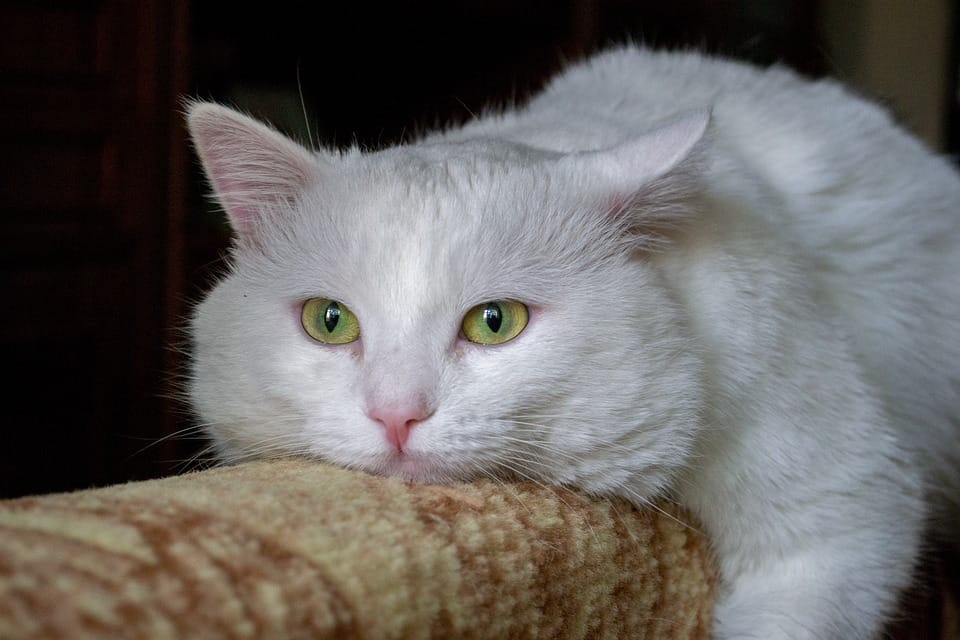
Feline dementia is a condition that affects some aging cats and can significantly impact their quality of life if left unrecognized. It really isn’t that different from aging humans who experience dementia.
It is important to recognize the signs of feline cognitive dysfunction, learn how you can support your cat at home and know when veterinary care is needed. While feline dementia is not something you’d want for your senior cat, your cat can still enjoy their golden years with your help.
What Is Feline Cognitive Dysfunction?
Feline cognitive dysfunction is a progressive, age-related decline in brain function, similar to Alzheimer’s disease in humans. It typically affects cats over the age of 10, with symptoms becoming more common and pronounced as cats reach their mid-to-late teens. Dogs can also get dementia as they age and is usually referred to as Canine Cognitive Dysfunction.
As a cat’s brain ages, changes such as reduced blood flow, oxidative damage, and protein buildup can interfere with your cat’s memory, learning, and awareness. These neurological changes can cause senior cats to behave in ways that feel confusing or concerning to their owners, even though the cat is not acting out intentionally.
Common Signs of Feline Dementia in Senior Cats
The symptoms of feline cognitive dysfunction often develop gradually, which makes them easy to overlook at first. Many owners describe their cat as seeming “off” or “not quite right,” especially during quiet nighttime hours.
One of the most common signs of feline dementia is confusion or disorientation. A cat may appear lost in familiar rooms, stare at walls, or get stuck behind furniture. Some cats wander aimlessly, as if unsure where they are or where they intended to go.
Changes in litter box habits are another frequent indicator. A senior cat with cognitive decline may forget where the litter box is located or seem unsure how to use it, even though they were previously well trained. This can lead to accidents outside the box, which are often mistakenly attributed to stubbornness rather than cognitive changes.
Many cat parents also notice increased vocalization at night, especially loud or mournful meowing. This nighttime crying is often linked to disorientation, anxiety, or altered sleep-wake cycles associated with feline dementia.
Other signs of feline dementia may include altered sleep patterns, decreased interest in play or interaction, changes in appetite, or increased clinginess. Some cats become more withdrawn, while others seem unusually needy, following their owners from room to room for reassurance.
How Feline Cognitive Dysfunction Affects Daily Life
Cognitive decline can make everyday activities stressful for senior cats. Tasks that once felt routine like finding food bowls, navigating stairs, or locating favorite resting spots can suddenly become challenging. This confusion can increase anxiety, which in turn worsens symptoms such as pacing or excessive vocalization.
Because cats are creatures of habit, disruptions to their mental map of the home can feel deeply unsettling. Without support, feline cognitive dysfunction can reduce a cat’s confidence and overall comfort, even if their physical health appears relatively stable.
Making Your Home More Comfortable for a Senior Cat With Cognitive Changes
While feline cognitive dysfunction cannot be cured, environmental adjustments and consistent routines can make a meaningful difference in your cat’s quality of life.
Maintaining predictable daily routines is especially important. Feeding, playtime, and bedtime should occur at roughly the same time each day, helping your cat feel anchored and secure. Sudden changes in their schedule or household layout can increase confusion and anxiety.
Accessible litter boxes are especially important for cats experiencing cognitive decline. Adding extra litter boxes in easily visible, low-traffic areas can help to reduce accidents. Boxes with lower sides can also help senior cats who may struggle with mobility or coordination.
Creating quiet, comfortable spaces throughout the home gives your cat safe places to rest without feeling overwhelmed. Soft lighting at night can help reduce disorientation, especially for cats that vocalize or pace after dark. Leaving a dim nightlight near your cat’s sleeping and litter box areas can be surprisingly effective.
Gentle interaction and reassurance also play a role. Speaking softly, offering affection when your kitty welcomes it, and avoiding sudden loud noises can help reduce the stress for cognitively impaired cats.
When to Seek Veterinary Advice
Any sudden or significant behavioral change in a senior cat should be discussed with a veterinarian. While feline cognitive dysfunction is common in older cats, its symptoms can overlap with other medical conditions such as arthritis, hyperthyroidism, kidney disease, vision loss, or hearing impairment.
A veterinarian can perform a thorough evaluation to rule out underlying health issues and determine whether cognitive decline is likely contributing to your cat’s behavior. In some cases, dietary changes, supplements, or medications may be recommended to support brain health and reduce anxiety.
Early intervention is especially important. Addressing your cat’s symptoms sooner rather than later can slow the progression of the dementia and help maintain your cat’s comfort for as long as possible.
Helping Senior Cats Live Peaceful Golden Years
Watching a beloved cat age can be emotionally challenging, especially when cognitive changes appear. However, with patience, understanding, and the right support, cats with feline cognitive dysfunction can continue to experience comfort, security, and affection.
Recognizing the signs of feline dementia, adapting your home environment can make your senior cat more comfortable. Even small adjustments can make a big difference in helping senior cats feel safe, loved, and at peace during their later years. And feline dementia is not fatal and your cat can still live a long, happy life.