- Your Pet's Wellbeing
- Posts
- What Is A Decompression Walk For Dogs?

We all know the importance of walking our dogs on a daily basis, but not all walks serve the same purpose. A decompression walk focuses less on distance, speed, or obedience and more on helping your dog mentally unwind. This type of walk gives dogs the freedom to sniff, explore, and move at his or her own pace, offering both mental and emotional benefits, especially for overstimulated, anxious, or high-energy dogs.
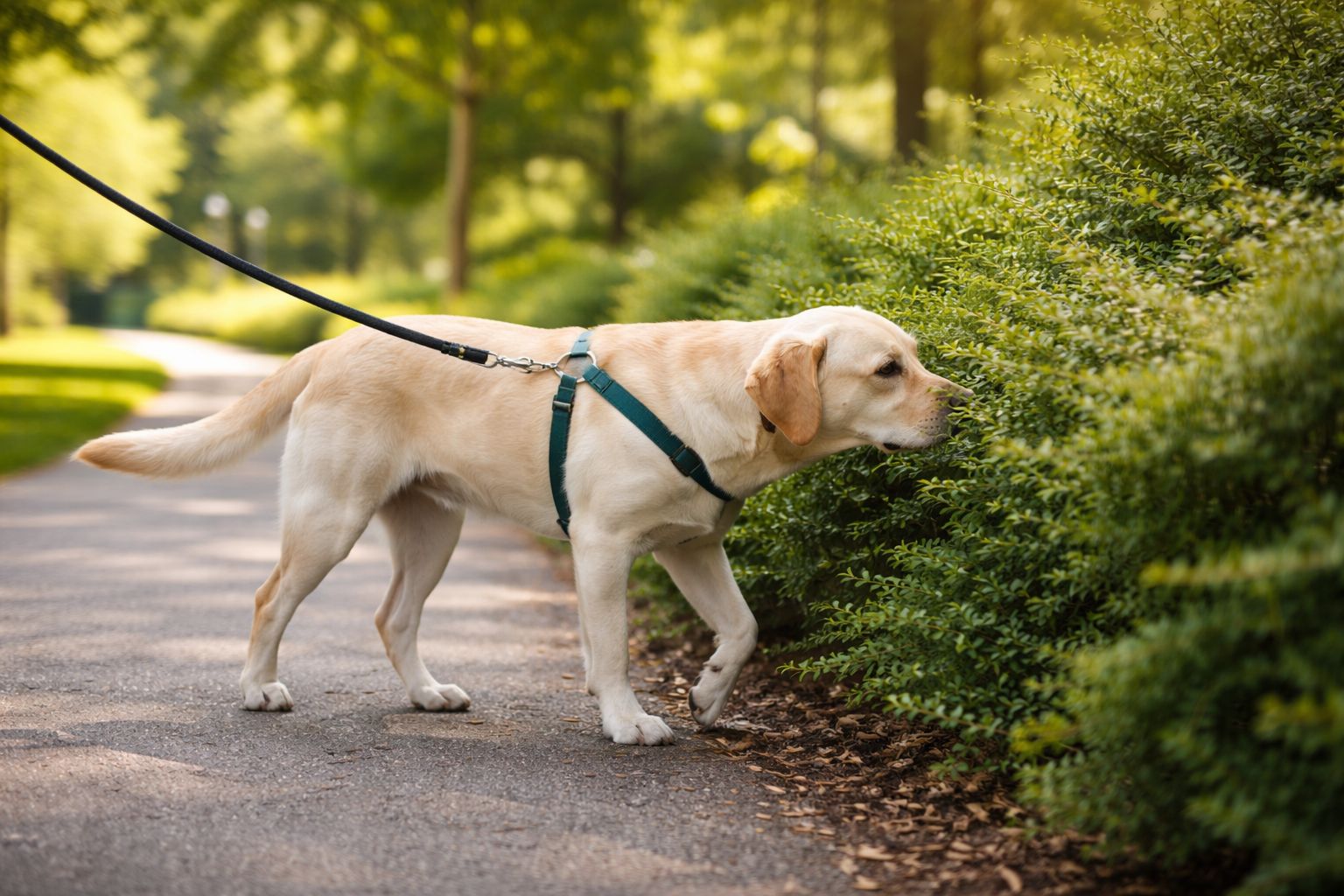
What Is A Decompression Walk?
A decompression walk is a low-pressure walk that allows dogs to engage with their environment naturally at their own pace. Instead of structured heel work or a brisk pace, you allow your dog to choose where to sniff, when to pause, and how quickly to move within safe boundaries.
Decompression walks emphasize mental enrichment over physical exercise. Dogs process the world primarily through scent, and decompression walks give them the time and freedom to gather information, release stress, and reset their nervous system.
How a Decompression Walk Differs From a Regular Dog Walk
Most traditional dog walks focus on physical movement and polite leash manners. While those walks still matter, they don’t always meet a dog’s mental needs.
A decompression walk shifts the goal entirely. Instead of asking your dog to walk beside you, you allow gentle wandering. Instead of limiting sniffing, you actively encourage it. Rather than correcting every pause or change in direction, you follow your dog’s lead.
This difference makes decompression walks especially valuable for dogs who struggle with leash reactivity, overstimulation, stress or anxiety.
Why Decompression Walks Matter for Your Dog’s Mental Health
Dogs constantly absorb sensory input and many of our outside environment tends to overwhelm them. Traffic noise, crowded sidewalks, unfamiliar dogs, and tight leashes can raise stress levels rather than relieve them.
Decompression walks help lower cortisol (the stress hormone) by allowing dogs to self-regulate. Sniffing alone activates calming pathways in the brain, while slow movement helps the nervous system shift out of fight-or-flight mode.
Many dog parents notice calmer behavior at home, improved focus during training, and fewer reactive outbursts after adding decompression walks to their routine.
Which Dogs Benefit Most From Decompression Walks?
All dogs benefit from decompression walks, but some need them more than others.
High-energy breeds often struggle when walks feel too controlled. Rescue dogs may feel overwhelmed by new environments. Senior dogs may no longer enjoy fast-paced exercise but still crave mental stimulation.
Puppies benefit from safe exploration that builds confidence without the pressure of “performing” and tend to avoid leash biting on these walks.
Dogs recovering from illness, injury, or behavioral challenges also respond well to the gentle pace and freedom decompression walks provide.
How To Do a Decompression Walk the Right Way
A successful decompression walk starts with the right setup and mindset. You don’t need special equipment or advanced training, just patience and flexibility.
Choose a quiet, low-traffic area whenever possible. Nature trails, open fields, empty parks, and wide sidewalks work well. Avoid crowded streets during peak hours.
Use a long leash, ideally 10 to 20 feet, to give your dog room to explore while staying safe. A harness often works better than a collar, as it reduces pressure on the neck during wandering.
Let your dog sniff as long as they want. Sniffing is the point, not a distraction. Move slowly, pause often, and follow your dog’s lead rather than steering the walk.
How Long Should A Decompression Walk Be?
Decompression walks don’t need to be long to be effective. Even 20 to 30 minutes of relaxed exploration can provide significant mental benefits.
Some dogs prefer shorter, frequent decompression walks rather than one long outing. Senior dogs or dogs with mobility issues often thrive with brief but enriching walks that focus on scent rather than distance.
Common Mistakes to Avoid on Decompression Walks
Many well-meaning dog parents unintentionally turn decompression walks into structured walks without realizing it.
Avoid rushing your dog or pulling them away from sniffing spots. Skip obedience drills, phone scrolling, or route planning during the walk. Refrain from correcting minor leash tension unless safety requires it.
Decompression walks work best when expectations stay low and flexibility stays high.
Can Decompression Walks Help With Behavior Problems?
Decompression walks don’t replace training, but they make training easier. Dogs who regularly decompress show improved impulse control, better emotional regulation, and increased resilience to triggers.
Most dog owners often see reduced leash reactivity, less destructive behavior at home, and improved focus during structured activities. When dogs meet their mental needs, unwanted behaviors often decrease naturally.
How Often Should You Take Decompression Walks?
Many dogs benefit from daily decompression walks, even if they’re short. At minimum, adding two to three decompression walks per week can make a noticeable difference.
You can still include regular exercise walks, training walks, or jogs. Decompression walks simply balance those activities by giving your dog space to be a dog.
What If You Don’t Have Time for Both Types of Walks?
Many dog parents juggle busy schedules and fitting in both a structured walk and a decompression walk every day isn’t always realistic. The good news is that you don’t need to choose perfection to meet your dog’s needs.
If time allows for only one walk, let your dog guide the pace for at least part of it. Even a 10–15 minute stretch of sniffing, wandering, and slow movement can provide meaningful mental enrichment. Allowing your dog to explore scents, pause, and make small choices during the walk can reduce stress more effectively than a rushed, obedience-focused outing.
On especially busy days, a decompression-style walk often offers more overall benefit than a purely physical walk. Mental stimulation tires dogs in a healthy way and supports emotional balance, which can lead to calmer behavior at home. You can still practice leash manners and training on other days when time opens up.
Final Thoughts: Why Every Dog Needs Decompression Time
A decompression walk isn’t about mileage, obedience, or burning energy, but is about meeting your dog’s emotional and mental needs. By slowing down and letting your dog explore the world through scent and movement, you create a calmer, happier, and more balanced companion.
Sometimes the most powerful thing you can do for your dog is simply let them lead the way.