- Your Pet's Wellbeing
- Posts
- What Is Water Intoxication in Dogs? Symptoms, Causes, and Prevention
What Is Water Intoxication in Dogs? Symptoms, Causes, and Prevention
It Can Be Serious!

Lisa Fimberg
May 07, 2026
As dog parents, we encourage our dogs to stay hydrated, especially during the warm summer months or after exercise. While water is necessary for a dog’s overall health, too much water in a short period of time can actually become dangerous. Water intoxication in dogs is a serious and potentially life-threatening condition that many pet parents have never heard of until it happens to their own dog.
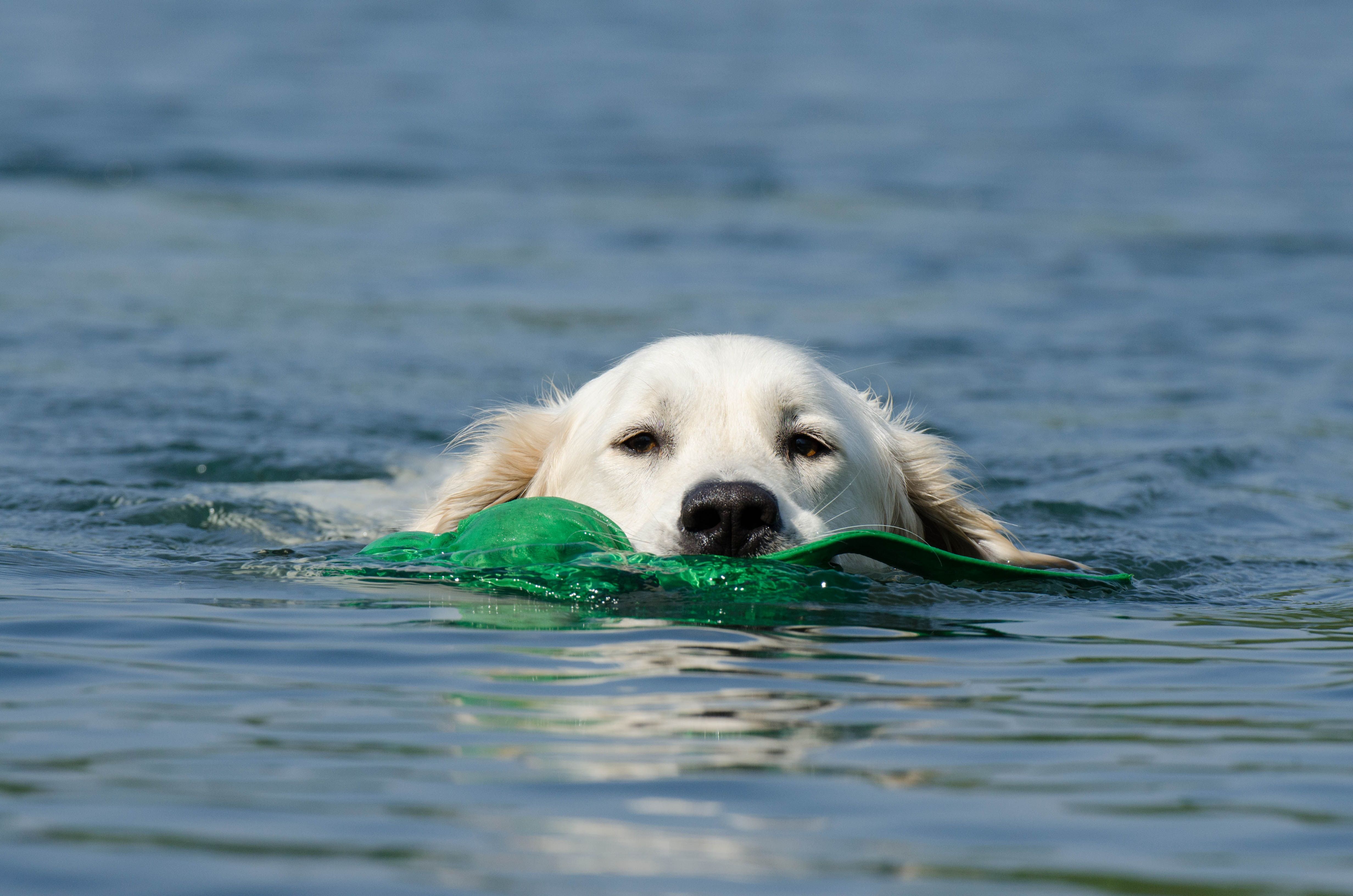
Water intoxication, sometimes called water poisoning or overhydration in dogs, occurs when a dog drinks or absorbs excessive amounts of water too quickly. This excessive water dilutes the sodium levels in a dog’s bloodstream and causes dangerous swelling in the body’s cells, including the brain. Without quick treatment, water intoxication can lead to seizures, coma, and even death.
It’s important to recognize the signs of water intoxication in dogs, know which dogs are at risk, and how to prevent it, particularly during swimming, and outdoor activities.
What Causes Water Intoxication in Dogs?
Water intoxication develops when a dog takes in more water than his or her body can process efficiently. Normally, the kidneys regulate fluid balance and maintain proper electrolyte levels. When a dog consumes too much water in a short amount of time, sodium levels in the blood become dangerously diluted. Veterinarians call this condition hyponatremia.
Sodium plays a significant role in regulating fluid movement in and out of your dog’s cells. When sodium levels drop too low, water moves into the body’s cells and causes them to swell. Swelling in the brain is particularly dangerous because the skull cannot expand to accommodate the extra pressure.
Many cases of water intoxication happen during water-related activities. Dogs may accidentally swallow large amounts of water while swimming, diving after toys, or playing with sprinklers and hoses. Some dogs repeatedly bite at water streams from sprinklers or garden hoses, unintentionally ingesting excessive amounts.
Dogs that spend long periods retrieving balls or floating toys from lakes or pools may also consume large amounts of water without their pet parents realizing it. Even enthusiastic dock divers or dogs that constantly chase waves at the beach can be at risk.
Which Dogs Are Most at Risk?
Although any dog can develop water intoxication, some dogs face a higher risk than others. Small dogs tend to develop symptoms faster because their bodies cannot handle the same amount of water as larger dogs. A few extra cups of water can significantly impact a small breed.
High-energy dogs and breeds that obsessively retrieve toys often face a greater risk because they repeatedly enter the water and accidentally swallow water during play.
Dogs that never seem to stop fetching can continue playing long after they should rest. Many dogs will not voluntarily slow down, especially if they are excited or focused on a game. Puppies and overly enthusiastic young dogs may also ignore signs of fatigue and continue drinking or swallowing water.
Flat-faced breeds can sometimes inhale or swallow water more easily during swimming because of their airway structure. However, any dog that spends excessive time in the water can potentially develop this condition.
Symptoms of Water Intoxication in Dogs
Early symptoms of water intoxication can look mild at first, which makes the condition easy to miss. Some dog parents might mistake the signs for simple exhaustion after exercise or swimming. Unfortunately, symptoms can progress rapidly.
Common signs of water intoxication in dogs include:
Lethargy or unusual tiredness
Vomiting
Bloating
Excessive drooling
Loss of coordination
Staggering or wobbling
Glassy eyes
Pale gums
Dilated pupils
Restlessness
Confusion or disorientation
Difficulty breathing
Tremors or Seizures
If not caught early on and the swelling in your dog’s brain worsens, neurological symptoms become more severe. Dogs may suddenly seem unable to walk properly or respond normally. Severe cases can progress quickly and require emergency veterinary treatment.
How Quickly Can Water Intoxication Happen?
One of the most frightening aspects of water intoxication in dogs is how quickly it can develop. Symptoms may appear within minutes to a few hours after excessive water intake.
A dog does not necessarily need to drink gallons of water for intoxication to occur. Continuous swallowing of smaller amounts over time can still overwhelm the body, especially in small dogs.
Some dogs develop symptoms shortly after leaving the water, while others may appear normal during play and then suddenly become weak or disoriented later. Because progression can happen rapidly, any concerning symptoms after heavy water activity should be taken seriously.
What To Do If You Suspect Water Intoxication
Water intoxication in dogs is a veterinary emergency. If your dog shows symptoms of water intoxication after swimming or heavy water play, contact a veterinarian immediately or head to an emergency veterinary clinic.
Do not force your dog to drink more water. Keep your dog calm and prevent further physical activity while you seek medical care. Veterinary treatment often involves correcting the sodium levels, monitoring brain swelling, oxygen therapy, and supportive care.
Treatment must be done carefully because even correcting sodium levels can also create complications. That’s why early intervention is necessary as it dramatically improves the chances of recovery.
Dogs with mild cases may recover fully with prompt treatment, but severe cases can become fatal very quickly. Never wait to see if your dog’s symptoms improve on their own.
How Veterinarians Diagnose Water Intoxication
Veterinarians typically diagnose water intoxication based on your dog’s recent history, symptoms, and bloodwork. If your dog recently spent time swimming, playing with hoses, or engaging in intense water activities, this information helps guide diagnosis.
Blood tests usually reveal abnormally low sodium levels. Veterinarians may also monitor neurological signs, hydration status, and organ function. In severe cases, hospitalization may be necessary for ongoing monitoring and treatment.
The earlier a diagnosis occurs, the better the outcome tends to be.
How To Prevent Water Intoxication in Dogs
Fortunately, water intoxication in dogs is largely preventable with careful supervision and moderation during water activities.
Try to limit your dog’s nonstop water play and encourage frequent breaks during swimming sessions. Instead of endless fetch in the water, alternate with rest periods on land.
Watch how your dog interacts with water. Dogs that constantly bite at waves, snap at sprinklers, or gulp water while retrieving may need shorter play sessions.
Try to use floating toys which can also help reduce accidental swallowing. Some dogs ingest more water when repeatedly grabbing small balls from the surface.
Always supervise your dogs around pools, lakes, beaches, and sprinklers. If your dog seems unusually obsessed with retrieving or water play, it’s best to stop the activity before they tire themselves out.
Pay close attention to smaller dogs because they can develop dangerous electrolyte imbalances faster than larger breeds.
Is Water Intoxication Common in Dogs?
While water intoxication is considered relatively uncommon, veterinarians believe some mild cases likely go unrecognized. Because symptoms may initially resemble fatigue or motion sickness, dog parents might not realize what is happening until the condition becomes severe.
Awareness has increased in recent years as more dogs participate in water sports, dock diving, and lake activities with their pets. While the condition remains rare, it is serious enough that every dog parent should understand the risks.
The good news is that most dogs can safely enjoy swimming and water play with proper supervision and moderation.
Final Thoughts on Water Intoxication in Dogs
Water intoxication in dogs can turn a fun summer activity into a medical emergency surprisingly fast. Although the condition is uncommon, it is extremely dangerous when it occurs. Knowing the symptoms of water intoxication in dogs and understanding how excessive water intake affects a dog’s body can help you recognize trouble early.
Most dogs love swimming, chasing sprinklers, and retrieving toys from the water, and these activities can still be safe and enjoyable. The key is supervision, regular breaks, and paying attention to your dog’s behavior during play.
If your dog ever seems weak, confused, unsteady, or unusually tired after water activity, contact a veterinarian immediately. Fast treatment can save your dog’s life.