- Your Pet's Wellbeing
- Posts
- Why Does My Cat Have Runny Poop?

When you are cleaning out your cat’s litter box and you find runny poop, it can be a bit confusing, especially when it isn’t full-blown diarrhea. Soft stools in cats often signal a mild digestive imbalance rather than an emergency, but it is still important to figure out the cause.
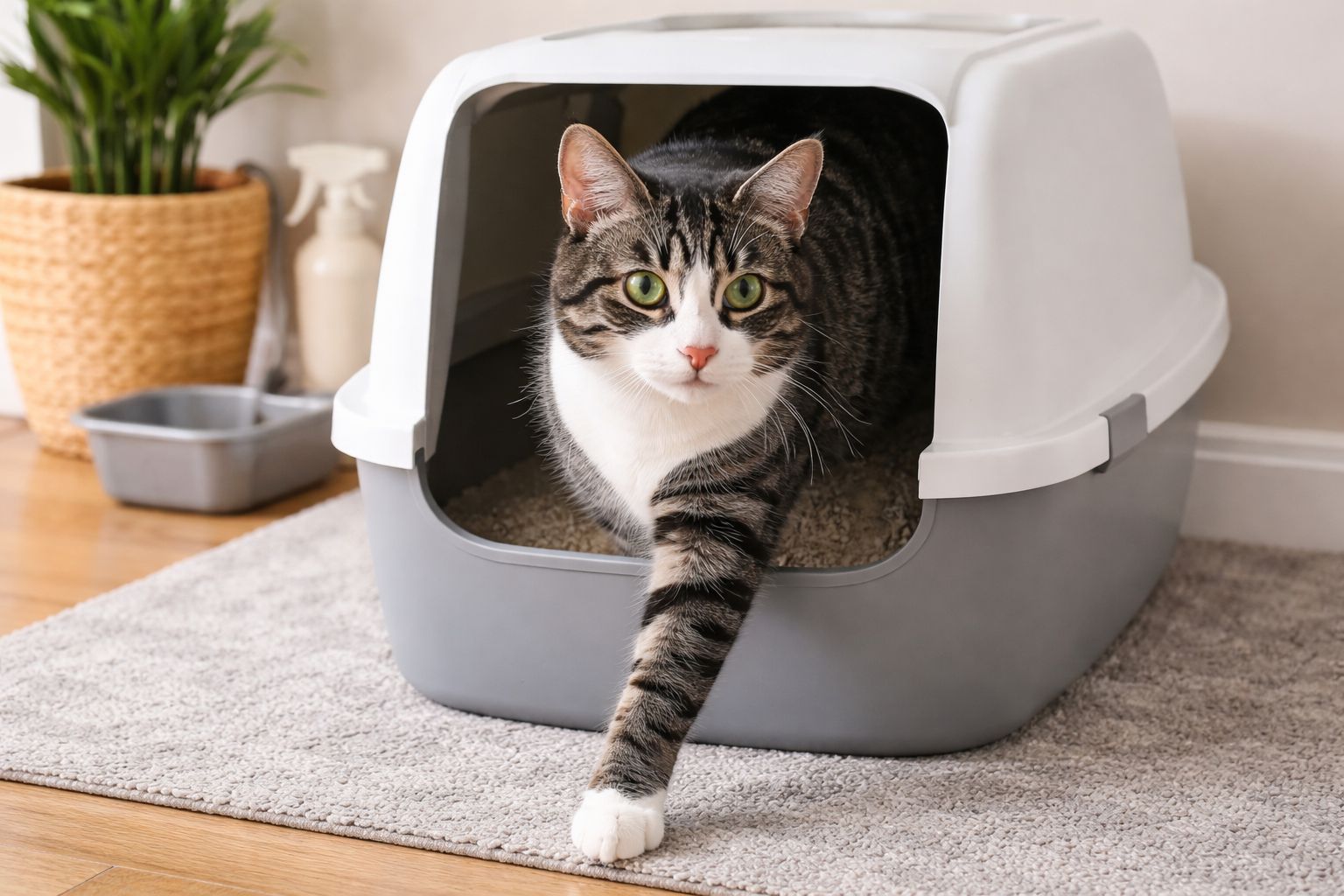
While your cat may seem perfectly fine otherwise, changes in stool consistency can offer clues about your cats’ diet, stress, or any underlying health issues. The best way to address runny stools is to understand what normal cat poop looks like and what causes softer stools so you can act accordingly.
What Should Normal Cat Poop Look Like?
Healthy cat poop should appear medium to dark brown and hold its shape when scooped. It should feel firm but not hard, forming a smooth, log-like shape that doesn’t crumble or smear in the litter box. It should be easy to pick up and dispose like hard clay.
When a cat’s poop loses structure and becomes mushy or leaves residue behind, it qualifies as soft stool, even if it isn’t watery enough to be classified as diarrhea. Occasional softness can happen, but repeated changes usually point to a digestive disruption that needs addressing.
Sudden Diet Changes Can Upset Digestion
One of the most common causes of soft stools in cats is a sudden change in food. Cats rely on a stable gut environment, and switching foods too quickly whether it’s changing brands, protein sources, or moving from dry food to wet food, can throw off the balance of digestive bacteria. It can also change how many times your cat poops a day.
Even high-quality cat foods can cause runny poop if the transition happens too fast. A gradual switch over seven to ten days allows your cat’s digestive system time to adapt and helps prevent soft stools from developing.
Food Sensitivities and Ingredient Intolerances
Some cats experience soft stools because their bodies struggle to digest specific ingredients. Food sensitivities don’t always cause dramatic symptoms, which makes them easy to overlook. Instead of vomiting or severe diarrhea, affected cats often produce consistently soft or poorly formed stools.
Common triggers include certain animal proteins, dairy-based ingredients, artificial additives, or heavily processed fillers. If your cat’s poop remains soft despite a stable routine, a dietary intolerance may be contributing to the problem.
Stress Can Directly Affect Your Cat’s Gut
Cats are extremely sensitive to changes in their environment, and stress often shows up in the litter box. Events such as moving to a new home, introducing a new pet, changing litter brands, or even altering daily routines can impact your cat’s digestion.
Stress affects gut motility and disrupts beneficial bacteria, which can result in stress-related soft stools in cats. In many cases, the stool returns to normal once your cat feels secure again, but ongoing stress can lead to chronic digestive issues.
Treats and Rich Foods May Be the Culprit
Too many treats, or treats that are too rich, can overwhelm your cat’s digestive system. While treats marketed for cats may seem harmless, excessive amounts can quickly lead to softer stools.
Table scraps, dairy products, or fatty foods are especially problematic and often cause runny poop that improves once those items are removed from the diet. Moderation plays a key role in maintaining healthy digestion.
Imbalances in Gut Bacteria
A healthy digestive system depends on a balanced amount of beneficial bacteria. Antibiotics, illness, stress, and dietary changes can all disrupt this balance, leading to ongoing soft stools rather than acute diarrhea.
Cats with mild bacterial imbalances often appear healthy overall but consistently produce mushy stool. If his imbalance isn’t properly addressed, it can persist and eventually worsen.
Parasites and Mild Infections
Intestinal parasites don’t always cause dramatic symptoms. In some cats, parasites such as Giardia or roundworms lead to chronic soft stools, occasional mucus, or unusually foul-smelling poop.
Even indoor cats can be affected, especially if they share litter boxes, previously lived outdoors, or come into contact with contaminated surfaces. A fecal exam is often necessary to rule out parasites as a cause of persistent soft stools.
Age-Related Digestive Changes
Kittens and senior cats commonly experience softer stools due to changes in how their bodies process food. Kittens often develop soft poop during weaning or food transitions, while older cats may struggle with nutrient absorption as digestion slows with age.
Although age can play a role, soft stools should never be dismissed as “normal,” especially if they persist or worsen over time.
Soft Stool vs. Diarrhea: What’s the Difference?
Soft stool is not the same as diarrhea, though the two are closely related. Diarrhea in cats tends to be watery, urgent, and frequent, often accompanied by dehydration or discomfort. Soft stools still maintain some shape and usually occur less often.
That said, unresolved soft stools can progress into diarrhea if the underlying issue remains untreated.
When to Call the Vet
You should contact your veterinarian if your cat’s soft stools last longer than three to four days or occur repeatedly. Additional warning signs include weight loss, reduced appetite, lethargy, vomiting, blood or mucus in the stool, or noticeable discomfort.
Chronic digestive issues may signal inflammatory bowel disease, food allergies, or systemic illness that requires medical care.
Helping Your Cat Return to Normal Poop
The best way to help your cat have normal poops again and healthy digestion starts with consistency. By feeding your cat a high-quality diet, transitioning foods slowly, limiting treats, and maintaining a low-stress environment, you can often resolve mild stool issues. Some cats benefit from probiotics or digestive supplements, but these should always discussed with your veterinarian.
Final Thoughts on Soft Stools in Cats
While occasional soft poop isn’t unusual, persistent changes deserve attention. Learning what healthy cat poop should look like makes it easier to spot subtle digestive issues early. In many cases, soft stools reflect diet changes, stress, or mild gut imbalances, and addressing those factors can restore normal digestion.