- Your Pet's Wellbeing
- Posts
- Why Does My Dog Keep Shaking His Head?

If your dog starts to shake his head more often than normal, it can be somewhat alarming. The occasional head shake is completely normal as dogs do it to clear out water, adjust their ears, or respond to a brief itch. But when head shaking becomes frequent, intense, or suddenly starts out of nowhere, it’s often a sign that something is irritating or bothering your dog’s ears.
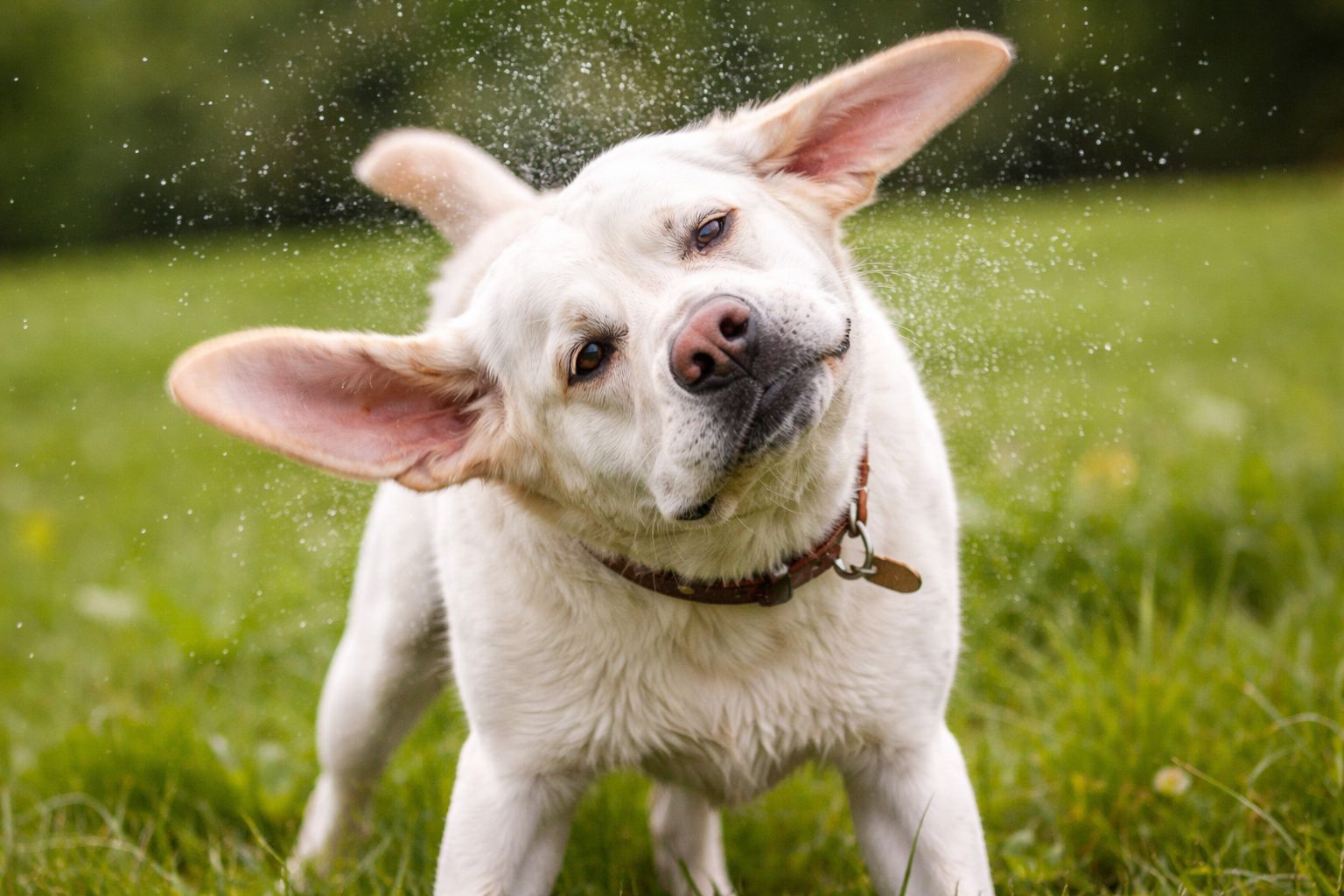
Because dogs rely heavily on their ears for communication, balance, and awareness, even mild discomfort can trigger repeated head shaking. If you can figure out the possible cause of the head shake, it can help you determine whether this behavior is harmless or a sign it’s time to call your veterinarian.
Is Occasional Head Shaking Normal for Dogs?
Yes. if your dog occasionally shakes his head, it is completely normal and usually nothing to worry about. Dogs may shake their heads after swimming, bathing, or playing outside to remove moisture or debris. A brief shake here and there, especially without other symptoms, typically doesn’t signal a medical issue.
However, if your dog keeps shaking his head throughout the day, scratches at his ears, or seems uncomfortable, the behavior may be a response to ongoing irritation or pain. Persistent head shaking is your dog’s way of telling you that something isn’t right.
Ear Infections: The Most Common Cause of Head Shaking
One of the most common reasons why a dog shakes his head is due to an ear infection. Ear infections in dogs can develop quickly and worsen if left untreated.
Dogs with ear infections often shake their heads to relieve pressure, itching, or pain inside the ear canal. You may also notice redness, swelling, discharge, or a strong odor coming from the ears. Some dogs become sensitive to touch around the head or pull away when you try to look inside.
Ear infections can be caused by bacteria, yeast, or a combination of both. Dogs with floppy ears, narrow ear canals, or a history of allergies are especially prone to recurring ear problems.
Allergies and Chronic Ear Irritation
Allergies are another major reason dogs shake their heads repeatedly. Environmental allergens like pollen, mold, dust mites, or grass can cause inflammation inside the ears. Food allergies can also trigger chronic ear issues, even without obvious skin symptoms.
When allergies affect the ears, dogs often experience ongoing itchiness that leads to frequent head shaking and scratching. Over time, this inflammation can create the perfect environment for secondary ear infections, turning a mild issue into a more serious one.
If your dog’s head shaking seems seasonal or comes with other allergy symptoms such as paw licking, red skin, or frequent ear infections, an allergic cause is worth exploring with your veterinarian.
Water Trapped in the Ear After Swimming or Bathing
Dogs that love water are particularly prone to head shaking after swimming or baths. Moisture trapped inside their ear canal can feel uncomfortable and may lead to inflammation if it doesn’t dry properly.
While shaking the head helps dislodge the water, repeated shaking hours or days after water exposure may indicate irritation or the early stages of an infection. This is especially common in dogs with floppy ears or heavy ear hair that traps moisture.
Drying your dog’s ears gently after swimming and using vet-approved ear cleaners when appropriate can help reduce the risk of problems.
Foreign Objects or Debris in the Ear
Sometimes the cause of head shaking is as simple as something stuck inside the ear. Pieces of grass, dirt, sand, or tiny seeds can become lodged in a dog’s ear canal during walks or outdoor play.
When this happens, dogs often shake their heads suddenly and forcefully, tilt their head to one side, or paw at the affected ear. Foreign objects can cause significant discomfort and may damage the ear canal if not removed promptly.
Never attempt to dig deep into your dog’s ear yourself, as this can push debris further in or injure delicate structures. A veterinarian can safely examine and flush the ear if needed.
Ear Mites and Parasites
Although more common in puppies, ear mites can affect dogs of any age and cause intense itching. Dogs with ear mites often shake their heads frequently and scratch their ears obsessively.
You may notice dark, crumbly debris inside the ear that resembles coffee grounds. Ear mites are highly contagious among pets, so prompt diagnosis and treatment are important, especially in multi-pet households.
Trauma or Injury to the Ear
Head shaking can sometimes be linked to trauma, such as a bite wound, scratch, or impact to the ear. Even minor injuries can cause swelling and pain that prompt repeated shaking.
In some cases, excessive head shaking itself can lead to a condition called an aural hematoma which is a painful swelling caused by broken blood vessels in the ear flap. This creates a cycle where shaking causes more damage, which leads to even more shaking.
Any sudden swelling or potential injury to the ear should be evaluated by a veterinarian right away.
Neurological or Balance Issues
While less common, head shaking can occasionally be associated with neurological or balance problems. Inner ear infections, vestibular disease, or nerve issues can affect a dog’s sense of equilibrium.
Dogs with balance-related causes may also show signs such as head tilting, stumbling, circling, or difficulty standing. These symptoms warrant prompt veterinary attention, as they may indicate a more serious underlying condition.
When to Call the Vet for Head Shaking
You should call your veterinarian if your dog’s head shaking is persistent, worsening, or accompanied by other symptoms.
Some of the warning signs include the following:
Redness, swelling, or discharge from the ears
Strong or unusual ear odor
Pain when your dog’s ears are touched
Head tilting or loss of balance
Crusting, scabs, or hair loss around the ears
Changes in behavior, appetite, or energy
Early treatment can help prevent minor irritation for dog into turning into a painful or chronic ear problem.
How Veterinarians Diagnose the Cause of Head Shaking
Your veterinarian will examine your dog’s ears using an otoscope to look for inflammation, debris, infection, or foreign objects. In some cases, they may take a sample from the ear to determine whether bacteria, yeast, or mites are present.
Identifying the exact cause is the most important factor as different ear problems require different treatments. Using the wrong medication or trying to treat your dog’s ears without a diagnosis can make symptoms worse or delay healing.
How to Help Prevent Ear Problems in Dogs
While not all causes of head shaking are preventable, regular ear care can significantly reduce the risk of issues. Routine ear checks, keeping ears dry, and addressing allergies early can go a long way in maintaining ear health.
Always use veterinarian-recommended ear cleaners and avoid inserting cotton swabs deep into the ear canal. If your dog has a history of ear infections, your vet may suggest a maintenance routine tailored to your dog’s needs.
The Bottom Line
So, why does your dog keep shaking his head? While an occasional shake is normal, frequent or intense head shaking is often a sign of ear discomfort that shouldn’t be ignored. Ear infections, allergies, trapped moisture, foreign objects, and parasites are among the most common causes and many of them can worsen without proper treatment.
Paying attention to changes in your dog’s behavior and seeking veterinary care when needed can help keep your dog comfortable, healthy, and free from chronic ear problems.