- Your Pet's Wellbeing
- Posts
- What Does My Dog Think About All Day?

If you’ve ever caught your dog staring out the window, twitching in their sleep, or watching you with intense focus, you’ve probably wondered what you dog thinks about all day. While dogs don’t think in the same complex, language-driven way we humans do, their minds are far from simple. In fact, your dog’s thoughts tend to revolve around a mix of instincts, emotions, memories, and learned experiences.
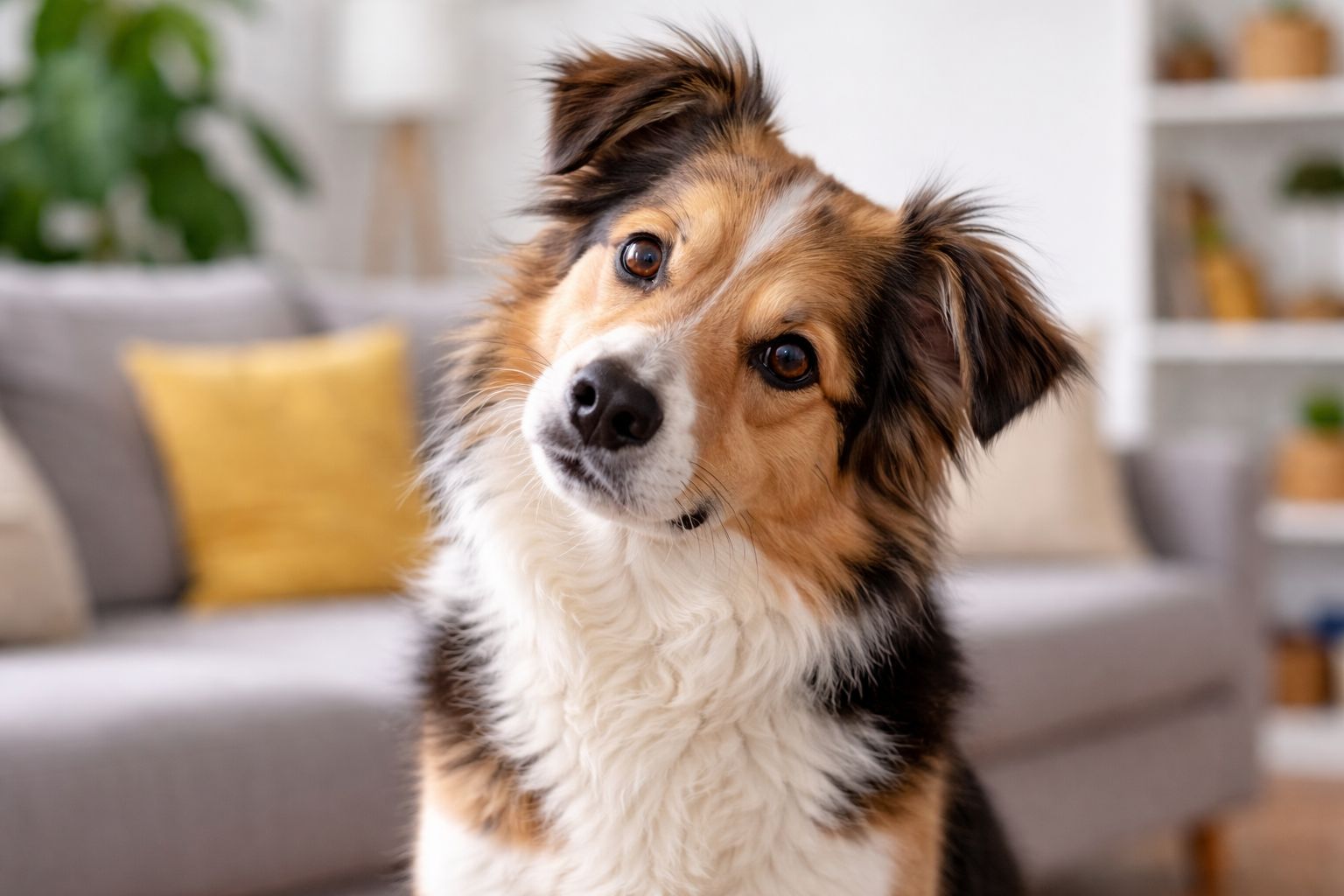
Dogs Think About Their People- A Lot
One of the most consistent findings in canine research is that dogs spend a lot of time thinking about their humans. Your dog associates you with safety, food, affection, and routine. When you leave the house, your dog doesn’t just “forget” about you as they spend time thinking about and anticipating your return.
There have been studies using brain imaging that have shown that when dogs smell their pet parent’s scent, the reward centers in their brain light up. In a fMRI study from Emory University, researchers found that a familiar human’s scent, especially a pet parent, triggered the strongest activity in the part of the brain linked to pleasure and positive expectation.
Food Is Almost Always on Their Mind
Let’s be honest…food is a major focus in your dog’s thoughts each day (and even for us humans!). From an evolutionary standpoint, this makes perfect sense. Dogs descended from having to be opportunistic scavengers, and that instinct remains strong.
Your dog is likely thinking about their next meal, treats, or opportunities to sneak a snack. Dogs will remember where food is stored, recognize the sounds associated with feeding time, and can even anticipate when meals are coming based on your daily habits.
If your dog seems especially food-focused, it doesn’t mean they’re greedy or starving all the time, but just that their brain is wired that way. This is also why food-based training works so well; it taps directly into what your dog is already thinking about….treats!
Dogs Think in Associations, Not Words
Dogs think differently than we do and don’t use language the way humans do. They will bark to get your attention or if they hear a loud noise, but dogs tend to think in associations and will link experiences, sounds, smells, and actions together.
For example, the sound of a leash jingling might trigger excitement because your dog associates that sound with walks. The word “treat” doesn’t have meaning on its own, but your dog connects that sound to the experience of receiving something delicious.
This associative thinking shapes your dog’s daily thoughts. Their thought process is built from patterns: this sound or actions leads to that activity or reaction. Over time, these connections become stronger, forming habits and expectations.
Their Senses Help Shape Their Thoughts
Dogs experience the world very differently than we do, which directly influences what they think about. Their sense of smell, in particular, is super strong and even far more advanced than a human’s.
While we rely heavily on vision, dogs gather most of their information through scent. When your dog sniffs the ground during a walk, they’re not just wandering aimlessly, they’re processing a complex stream of information about other animals, people, and their environment.
Because of this, your dog’s thoughts are often scent-driven. They may be “thinking about” the trail another dog left behind, identifying who passed through the area, or investigating something intriguing that you can’t even detect.
Play, Exploration, and Curiosity
Dogs also spend time thinking about playing and exploring. Whether it’s chasing a ball, tugging on a toy, or investigating a new smell, these activities engage their natural instincts.
Puppies, especially, are driven by curiosity. Their thoughts are often focused on learning about their surroundings and learning what’s safe, what’s fun, and what gets a reaction from you. Adult dogs maintain this curiosity, though it may be less intense.
If your dog brings you toys or initiates play, it’s a clear sign that engaging with you is on their mind. Play isn’t just entertainment, it’s a mental and emotional outlet that reflects what your dog’s psyche.
Do Dogs Think About the Past?
Dogs don’t reminisce or think about the past in the same narrative way humans do, but they do have memory, especially emotional and associative memory.
If your dog had a negative experience at the vet, they may show anxiety the next time you approach the clinic. If they had a positive experience at the park, they may become excited as soon as you head in that direction.
These type of reactions show that dogs “think about” past events in the sense that they remember how something felt and anticipate it happening again. Their thoughts are less about storytelling and more about expectation.
It’s part of the reason why dogs don’t really think about the consequences of their actions. If they toss over a trash can or make a mess in the living room and you don’t find it immediately, they don’t really think about it since it was in the past.
Emotions Play a Big Role in Their Thoughts
Dogs are emotional animals, and their thoughts are closely tied to how they feel. They experience joy, excitement, fear, and even forms of attachment and frustration.
When your dog greets you enthusiastically at the door, it’s not just a reaction, it reflects emotional anticipation that likely built up while you were gone. Similarly, a dog that appears anxious during a thunderstorm is not just reacting to noise but processing fear.
Therefore, your dog’s thoughts and emotions are deeply connected sometimes even more than in humans.
Routine and Predictability Shape Their Thinking
Dogs thrive on routine, and much of what they think about revolves around predictable patterns. They learn when it’s time to eat, walk, play, and rest, and they, therefore, anticipate these events.
If you feed your dog at the same time every day, you may notice them becoming alert or excited just before mealtime. This isn’t coincidence as much as their internal clock and learned associations at work.
Routine provides a sense of security, and your dog’s thoughts often align with what they expect to happen next.
Do Dogs Dream and What Are They Thinking Then?
If you’ve ever seen your dog twitch, whine, or move their paws in their sleep, you’ve likely wondered what’s going on in their mind. Research suggests that dogs do dream, and their dreams are believed to reflect their daily experiences.
During sleep, especially the REM stage, your dog’s brain processes information from the day. That means they might be “thinking about” chasing a ball, going for a walk, or interacting with you.
While we can’t know exactly what dogs dream about, their brain activity patterns are similar to humans during dreaming. Therefore, it’s reasonable to believe their thoughts during sleep replay familiar activities and emotions.
Are Dogs Ever “Thinking About Absolutely Nothing”?
It might seem like your dog is zoning out at times, but even then, their brain is active. They may be resting, processing scents, or simply observing their surroundings or staring at you!
Dogs are generally more present-focused than humans. They don’t dwell on abstract worries or future plans in the same way we do. Instead, their thoughts stay grounded in the moment, shaped by immediate stimuli and recent experiences. This present-mindedness is part of what makes dogs so adaptable, and, in many ways, so peaceful.
Final Thoughts: Dogs Thoughts May Be Simple But are Meaningful
So, what does your dog think about all day long? The answer is a mix of you, food, what’s going on in their world, past experiences, and their emotions. While their thoughts may not be expressed in words or complex narratives, they are meaningful, purposeful, and deeply connected to their daily life.