- Your Pet's Wellbeing
- Posts
- Why Do Dogs Circle Before Lying Down?

Our dogs have plenty of endearing habits, but one behavior that often catches pet parents’ attention is the little spin before settling down. Whether it’s a slow circle on the rug, a few quick turns on the couch, or an exaggerated twirl in their bed, this ritual seems almost universal.
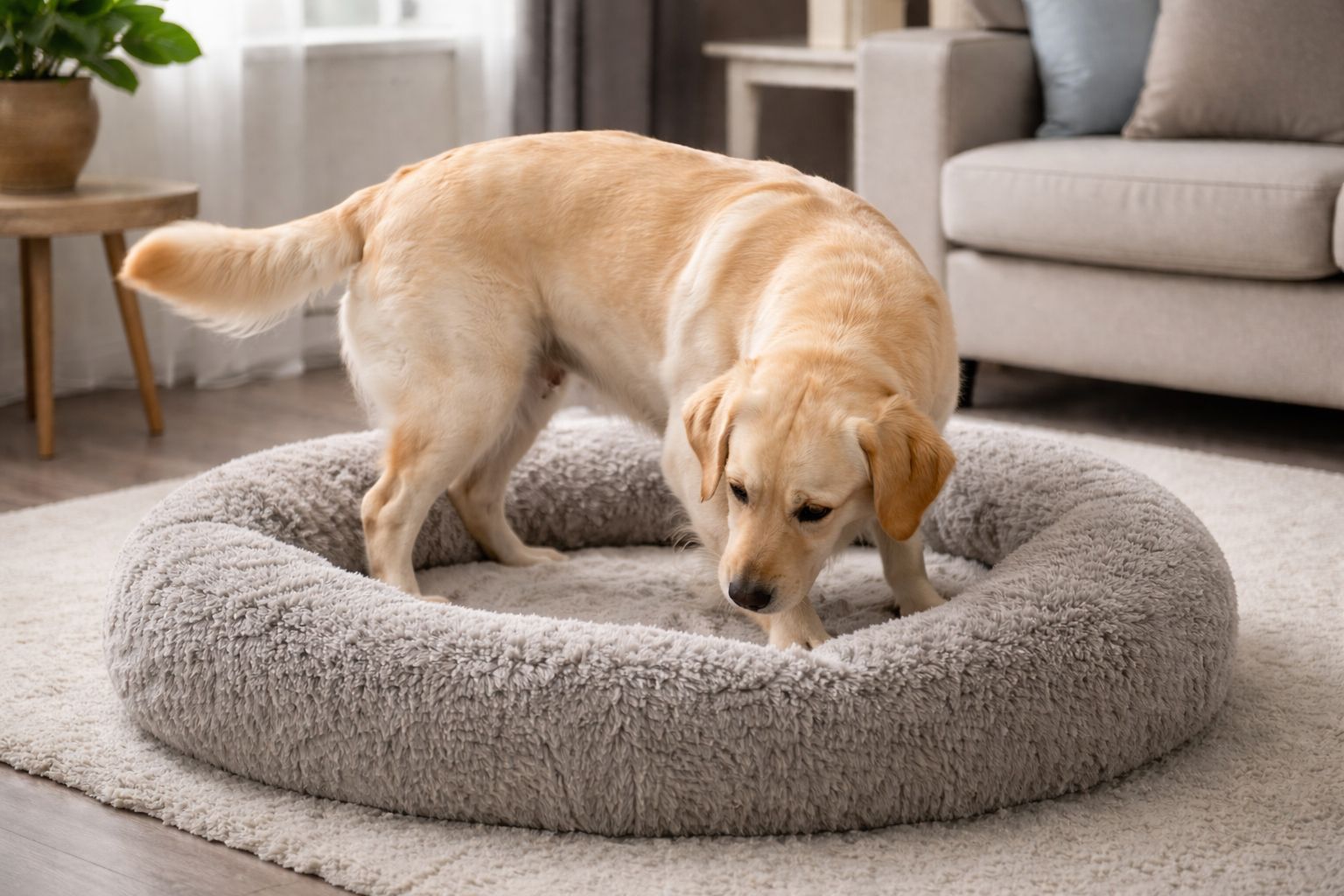
Therefore, the question begs…why do dogs turn around before lying down? The answer is a combination of instinct, comfort, and communication, and it goes much deeper than simple habit.
An Instinct Passed Down From Wild Ancestors
One of the most common reasons dogs turn around before lying down traces back to their wild ancestors. Long before dogs enjoyed plush beds and climate-controlled homes, they slept outdoors in the grass, dirt, or snow. When they turned around in circles, it helped them to flatten vegetation, create a more comfortable sleeping surface, and check for anything sharp or dangerous beneath them.
This same behavior also helped wild canines orient themselves strategically. By circling, they could position their bodies to face the safest direction, protect their vital organs, and remain alert to potential threats. Even though our modern dogs no longer face predators in the living room or bedroom, that same instinct remains deeply ingrained.
Checking The Area For Safety
Dogs rely heavily on their senses, especially their smell and sight. Turning around before lying down gives them a final chance to inspect their surroundings. This small ritual helps them confirm that the area feels safe, familiar, and free of anything unsettling.
Many dogs will circle more than once if they sense something “off,” such as a new scent, unfamiliar noise, or change in their environment. Even subtle differences, like a freshly cleaned floor or a moved piece of furniture can trigger extra turns as your dog reassesses the space before relaxing.
Finding The Most Comfortable Position
Comfort plays a big role in why dogs circle before lying down. Spinning allows them to adjust their body position and test the surface beneath them. Dogs want to protect sensitive areas like their belly and joints, and circling helps them determine the best way to curl up or stretch out. It’s not that different from our adjusting our sheets and blankets before lying down to get it just right!
This type of circling becomes especially noticeable on softer surfaces like blankets, dog beds, or couches. You may see your dog paw at the area, rearrange bedding, and circle several times before finally settling. All of this helps them achieve the maximum comfort to rest or sleep and our dogs love to feel comfortable. Some dogs even scratch their beds before lying down.
Regulating Their Temperature
Dogs also turn around before lying down as a way to regulate their body temperature. In warmer conditions, circling helps them find a cooler spot or flatten a surface that allows for better ventilation and the air flow. In colder environments, turning and curling helps our dogs conserve body heat.
Some dogs may instinctively adjust their position based on the temperature, incoming drafts, or sunlight coming through a window. That final turn ensures they settle in a spot that feels just right for their body at that moment. Some dogs even lie on their backs for comfort and temperature regulation.
A Way to Relieve Stress Or Nervous Energy
For some dogs, turning in circles before lying down helps release nervous energy. The repetitive motion can have a calming effect, similar to pacing or stretching. Dogs who feel slightly anxious, overstimulated, or uncertain may circle more than usual before settling.
This behavior often appears at the end of a busy day, after guests leave, or when a dog transitions from playtime to rest. The turning helps signal to their body and brain that it’s time to relax.
Communication With Other Dogs
In homes with more than one dog, circling before lying down can also serve as a subtle form of communication. Dogs use body language constantly and this ritual can signal that they’re about to rest and are not interested in interaction. i.e. leave me alone!
In the wild, turning and positioning before going to sleep helped dogs maintain group order and minimize conflict. While today’s dogs don’t need to negotiate sleeping arrangements the same way, that instinctive communication still exists.
Why Some Dogs Turn More Than Others
Not all dogs circle the same amount before lying down. Breed, age, personality, and environment all influence this behavior. Dogs bred for guarding or herding may show stronger instinctual behaviors, including more deliberate circling. Senior dogs may also turn more often as they adjust sore joints or stiff muscles before resting.
Puppies and high-energy dogs may spin quickly and playfully, while older dogs tend to move more slowly and deliberately. As long as the behavior looks relaxed and purposeful, it’s typically nothing to worry about.
When Circling Before Lying Down Is Problematic
Although circling before lying down is normal, excessive or frantic turning can sometimes indicate an underlying issue. Dogs experiencing joint pain, arthritis, or neurological problems may struggle to get comfortable and circle repeatedly. Anxiety or cognitive changes in senior dogs can also increase repetitive behaviors.
If your dog suddenly starts circling far more than usual, seems unable to settle, whines, or appears distressed, a veterinary check-in is always a good idea.
A Small Adorable Habit With Big Meaning
Dogs turning around before lying down may look like a quirky habit, but it’s actually a blend of instinct, comfort, and communication. This simple ritual connects modern dogs to their ancestors while helping them feel safe and relaxed in the present moment.
The next time your dog spins before curling up beside you, you’re witnessing a behavior shaped by thousands of years of survival which has now been transformed into one of the many charming traits that make dogs such wonderful companions.