- Your Pet's Wellbeing
- Posts
- Why Does My Cat Keep Vomiting?

When your cat suddenly starts throwing up, or you’re noticing small but frequent episodes of gagging or dry heaving, it can be stressful and confusing. Occasional vomiting is common in cats, but chronic vomiting or repeated heaving is often a sign that something deeper is going on.
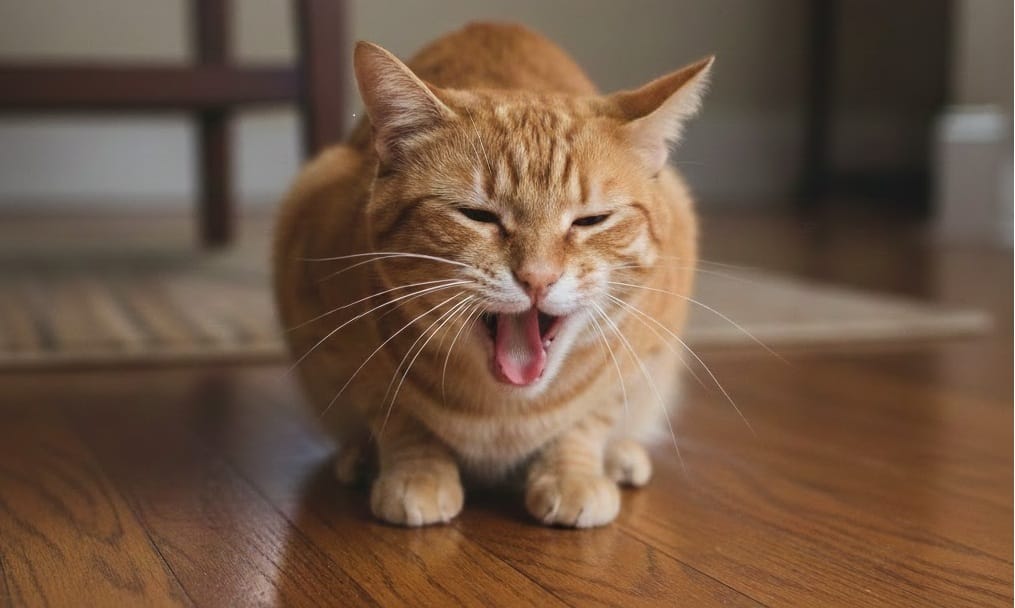
There are many reasons why your cat might be vomiting, but it’s important to distinguish when it can be more serious. We’ll break down the most common reasons why cats vomit, what dry heaving can mean, and the red-flag symptoms that tell you it’s time to see your veterinarian.
Occasional Vomiting: What’s Considered Normal?
Most cats will vomit once in a while, especially if they eat too quickly or ingest something that briefly irritates their stomach. A single episode that resolves quickly and doesn’t affect your cat’s appetite, energy, or behavior is generally not a cause for concern. Some cats also vomit clear foam or bile if their stomach stays empty too long.
However, vomiting that happens repeatedly, especially when paired with dry heaving or signs of nausea, suggests the stomach or intestines are struggling with something more significant. When vomiting becomes a pattern rather than an isolated event, it’s worth investigating further.
Hairballs: The Most Common Cause of Light Vomiting and Dry Heaving
Hairballs remain one of the most common reasons cats vomit or dry heave. As cats groom themselves, loose hair collects in the stomach. While most of this hair passes normally, some forms a dense clump that triggers gagging, retching, or small episodes of vomiting. Cats often appear perfectly normal afterward, which is why hairballs are considered a routine inconvenience. Long-haired cats and heavy groomers are especially prone to more frequent hairball-related vomiting
However, repeated dry heaving without producing a hairball, or ongoing attempts to vomit with nothing coming up, can signal an issue such as inflammation or, in rare cases, a partial blockage. In these cases, it’s time to consult your veterinarian.
Eating Too Quickly or Empty-Stomach Vomiting
Some cats inhale their meals so quickly that their stomach rejects the food as soon as it lands. This type of vomiting usually contains undigested food and happens shortly after eating. On the other end of the spectrum, some cats vomit or dry heave when their stomach remains empty for too long. This can cause acid buildup that irritates the stomach lining.
Both scenarios are common and often improve with smaller, more frequent meals, slow-feeder bowls, or feeding puzzles that encourage your cat to slow down. While these issues are usually manageable, frequent vomiting after meals still deserves a vet’s attention, especially if it becomes a daily pattern.
Food Sensitivities and Dietary Intolerances
Food sensitivities are another common reason cats experience vomiting, intermittent nausea, or mild dry heaving. Many cats develop reactions to specific proteins such as chicken, beef, or fish or certain additives in their food or even dairy. When these ingredients irritate the digestive system, the stomach often responds with inflammation that triggers vomiting, soft stool, gas, or bloating. Some cats also show itchy skin or over-grooming along with digestive symptoms.
Food sensitivities can often be subtle when the vomiting can appear “on and off,” making it tricky to connect to the diet. A vet-guided elimination diet or a switch to a limited-ingredient or hydrolyzed formula often helps pinpoint the culprit whether it’s protein or dairy intolerance.
Parasites: A Common but Overlooked Cause
Intestinal parasites in cats, particularly roundworms, can trigger vomiting, diarrhea, gas, or persistent dry heaving in both kittens and adult cats. Even indoor cats can contract parasites from contaminated soil, fleas, or rodents. Because parasites often go unnoticed until symptoms appear, vomiting may be one of the first visible signs that something isn’t right.
If the vomiting is persistent, you should schedule an appointment with your vet. A simple fecal test can confirm the presence of worms, and treatment is usually straightforward. If the vomiting improves after deworming, parasites were likely the underlying cause.
Inflammatory Bowel Disease (IBD)
Chronic vomiting that continues for weeks or months is one of the hallmark signs of Inflammatory Bowel Disease, a condition caused by inflammation in the stomach or intestinal lining. Cats with IBD may vomit regularly, dry heave between meals, or experience fluctuating stool quality.
Many cats will also lose weight or show intermittent appetite changes. Because IBD can mimic food sensitivities or mild GI irritation, diagnosis often involves bloodwork, abdominal ultrasound, specialized diets, and sometimes biopsies. Treatment typically includes anti-inflammatory medication, steroids, and prescription diets designed to calm the GI tract. Early management usually leads to much better long-term comfort for the cat.
Gastrointestinal Obstruction
A GI obstruction is one of the most serious causes of repeated dry heaving or unproductive vomiting. Cats may swallow string, ribbon, small toys, or other foreign objects that block the digestive tract. When this happens, your cat’s stomach is trying to get rid of its contents but isn’t able to do so which can lead to ongoing gagging, drooling, abdominal discomfort, and complete loss of appetite.
Obstructions are medical emergencies and require immediate veterinary attention. Even if you’re unsure whether your cat swallowed something, persistent dry heaving or attempts to vomit without results should always be treated urgently.
Hyperthyroidism or Kidney Disease in Older Cats
Senior cats often begin vomiting due to underlying metabolic or organ-related conditions rather than simple digestive upset. Hyperthyroidism increases the metabolic rate, which can lead to vomiting, weight loss despite a strong appetite, restlessness, and excessive drinking.
Chronic Kidney Disease is another common cause of nausea, vomiting, dehydration, and dry heaving in older cats. Because both conditions cause subtle, slowly progressing symptoms, routine bloodwork is one of the most important tools for early detection. If your cat is treated properly, with medication, diet changes, or even specialized therapies, it can greatly improve your cat’s quality of life.
When Vomiting or Dry Heaving Is More Concerning
Dry heaving can be related to hairballs, mild nausea, or temporary stomach irritation, but it can also signal more serious issues such as obstructions, dehydration, or advanced kidney disease. If your cat dry heaves or vomits repeatedly, seems uncomfortable, or continues gagging without producing anything, it’s important to treat the situation as more than a routine hairball. Persistent heaving is one of the clearest signs that the stomach is struggling and needs medical assessment.
Red-Flag Symptoms: When to Call the Vet
Repeated vomiting in a short period
Ongoing dry heaving or gagging
Loss of appetite
Blood in vomit or stool
A firm or bloated abdomen
Lethargy or weakness
Vomiting that lasts more 24–48 hours
Increased thirst
Known medical conditions (kidney disease, diabetes, hyperthyroidism)
Final Thoughts
Vomiting happens in cats more often than most of us realized, but that doesn’t mean it should be ignored, especially when it becomes chronic, is accompanied by dry heaving, or appears alongside changes in appetite or behavior. Whether the cause is a simple hairball, a dietary issue, or something more complex like IBD or kidney disease, understanding your cat’s patterns is one of the best ways to stay ahead of health concerns. And your vet is always your best partner in identifying and treating the cause of the vomiting.