- Your Pet's Wellbeing
- Posts
- Why Does My Cat Suddenly Act Distant or Stop Cuddling?
Why Does My Cat Suddenly Act Distant or Stop Cuddling?
And How To Remedy It!

Lisa Fimberg
March 10, 2026
If you have a cuddly cat that suddenly stops seeking affection, it can leave you feeling confused and even a little sad. One day your cat curls up in your lap every evening, and the next they seem uninterested in snuggles or even move away when you try to pet them.
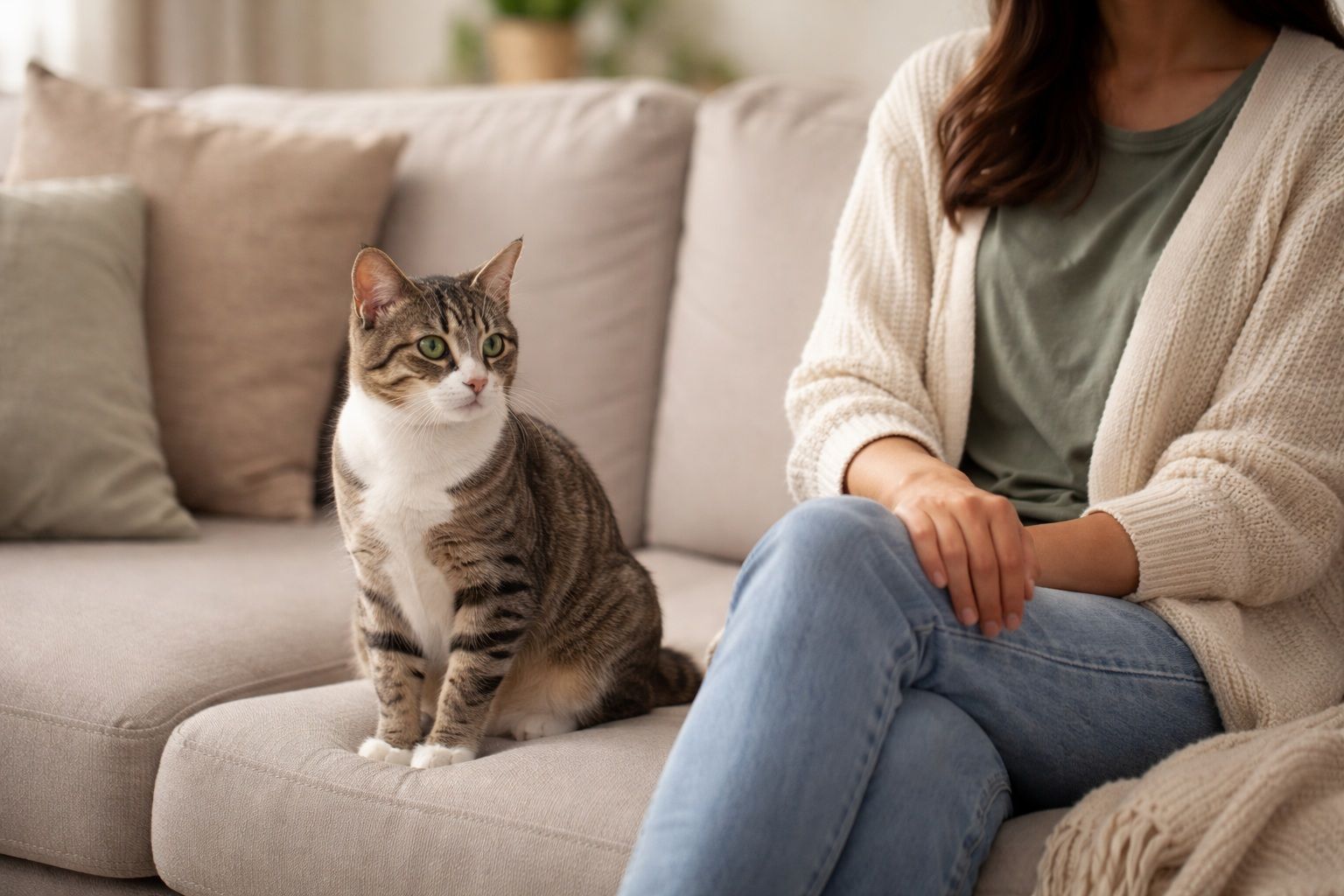
While it can feel personal, cats rarely change their behavior without a reason. When a cat suddenly acts distant or stops cuddling, it usually reflects a change in their environment, emotional state, routine, or physical comfort.
Our cats communicate through behavior more than anything else. A shift in affection often signals that something in their world feels different. In many cases, the cause is temporary and resolves itself once the cat regains a sense of safety or routine.
There are many possible reasons behind this sudden change. By understanding the cause, it can help you respond so your cat can start feeling normal and affectionate again.
Small Environmental Changes Can Make Cats Withdraw
Cats are creatures of habit, and even small changes in their environment can affect their behavior. Something that may seem minor to us can feel significant to a cat. Rearranging your furniture, bringing a new pet into the home, hosting guests, or even loud outdoor construction can make a cat feel unsettled.
When cats feel uncertain about their surroundings, they often respond by becoming more cautious or independent. Instead of seeking out affection, they may observe you from a distance while they figure out whether their environment is safe and predictable again.
In this type of scenario, your cat hasn’t stopped loving you as much as they’re simply adjusting. Once things return to a familiar routine, many cats gradually return to their normal affectionate behavior.
Stress and Emotional Changes Can Affect Affection
Cats experience stress just like people do, and emotional changes can influence how social they feel. A stressed cat may prefer solitude rather than cuddling, especially if they are feeling overwhelmed.
Changes in your schedule can also affect your cat’s emotional state. If you have been traveling, working longer hours, or spending less time at home, your cat may respond by becoming temporarily more distant. Some cats also become withdrawn when there is tension in the household or conflict between pets.
Cats often cope with stress by seeking quiet spaces, hiding or limiting physical contact. Once the stressor passes and they feel relaxed again, their affectionate behavior often returns. Ironically, cats might be clingy for the same reason.
Your Cat May Simply Want More Independence
Not every change in cuddling behavior is negative. Cats sometimes go through phases where they become more independent. This is especially common when younger cats transition into adulthood.
A kitten or adolescent cat that once followed you everywhere may naturally become more self-sufficient as they mature. While they may cuddle less often, they often show affection in other ways, such as sitting nearby, following you from room to room, or greeting you at the door.
Many cats still enjoy companionship during these phases, yet they simply prefer it on their own terms.
Overstimulation During Petting Can Cause Avoidance
Cats have sensitive nervous systems, and petting that lasts too long can become overwhelming for them. If a cat frequently becomes overstimulated during cuddling sessions, they may begin avoiding those situations altogether.
Overstimulation often happens when petting continues past the point where the cat feels comfortable. Subtle warning signs usually appear first, such as tail flicking, shifting ears, or a ripple of skin along the back. If these signals are missed, your cat may resort to swatting or biting to end the interaction.
When a cat associates cuddling with discomfort, they may begin keeping their distance. Shorter, calmer petting sessions can help restore positive experiences with affection.
Aging Can Change Your Cat’s Social Habits
As cats age, their behavior naturally evolves. Senior cats often become less physically active and may choose quieter places to rest instead of climbing onto laps or furniture.
Joint stiffness, reduced mobility, or general fatigue can make certain cuddling positions uncomfortable. A cat that once loved curling up on your lap may now prefer to sleep beside you rather than on top of you.
Even though the form of affection may change, older cats still show attachment in subtle ways. Sitting close by, gently head-butting your hand, or purring during short petting sessions are all signs your cat still enjoys your company.
Pain Or Illness Can Cause Behavioral Changes
A sudden change in affection can sometimes indicate that a cat is experiencing physical discomfort. Cats instinctively hide pain, so behavioral changes are often one of the earliest signs that something may be wrong.
If being touched or picked up causes discomfort, a cat may avoid cuddling to protect themselves. Conditions such as dental problems, arthritis, digestive issues, or urinary tract problems can make physical contact unpleasant.
When a normally affectionate cat becomes distant seemingly overnight, it is worth considering whether a health issue might be involved. Observing your cat closely for other changes can help determine whether a veterinary visit is needed.
Changes in Routine Can Affect Your Cat’s Behavior
Cats rely heavily on daily routines. Feeding times, play sessions, and quiet evenings together all form part of the structure that helps them feel secure.
When your schedule changes, your cat may temporarily alter their own habits. For example, returning to the office after working from home or shifting bedtime routines can influence when and how your cat seeks interaction.
In many cases, reintroducing predictable bonding time, such as evening play sessions or quiet time together on the couch, helps restore your cat’s sense of connection.
Rebuilding Your Cat’s Trust and Encouraging Affection
When a cat becomes distant, patience works far better than forcing interaction. Cats value control over their personal space, and respecting their boundaries helps them feel safe.
Spending calm, relaxed time in the same room with your kitty without demanding attention can encourage your cat to approach you naturally. Interactive play is also one of the best ways to strengthen your bond because it taps into a cat’s natural hunting instincts while creating positive shared experiences.
Gentle petting in areas most cats enjoy, such as under the chin or along the cheeks, can gradually rebuild positive associations with physical contact. Make sure to stop before your cat becomes overstimulated which can help them feel more comfortable during future interactions.
Over time, many cats return to their affectionate habits once they feel relaxed and secure again. Or your cat will show his or her love in different ways.
When To See the Vet
A veterinary checkup is important if your cat’s personality change seems sudden or extreme. Take your cat to the vet if you notice the following:
Your cat is hiding much more than usual
Loss of appetite or weight changes
Aggression when touched
Changes in litter box habits
Lethargy or unusual sleeping patterns
Behavior changes are sometimes the first sign of a medical issue, and early diagnosis can make a big difference in your cat’s health.
Final Thoughts
When a cat suddenly stops cuddling or seems distant, the behavior usually reflects a change in their environment, emotional state, or physical comfort rather than a loss of affection.
With patience, consistent routines, and gentle interactions, many cats gradually return to their usual affectionate selves. Even when their cuddling habits change, most cats continue showing love in quieter ways, by staying close to the people they trust most.