- Your Pet's Wellbeing
- Posts
- How To Stop Your Dog From Eating Rocks

If your dog likes to eat rocks, you might think it’s only your dog, but that’s not the case. Of course, pet parents become alarmed when they catch their dog chewing on gravel, swallowing pebbles, or obsessively carrying stones around the yard. While the behavior may seem strange or even playful at first, eating rocks can quickly become dangerous.
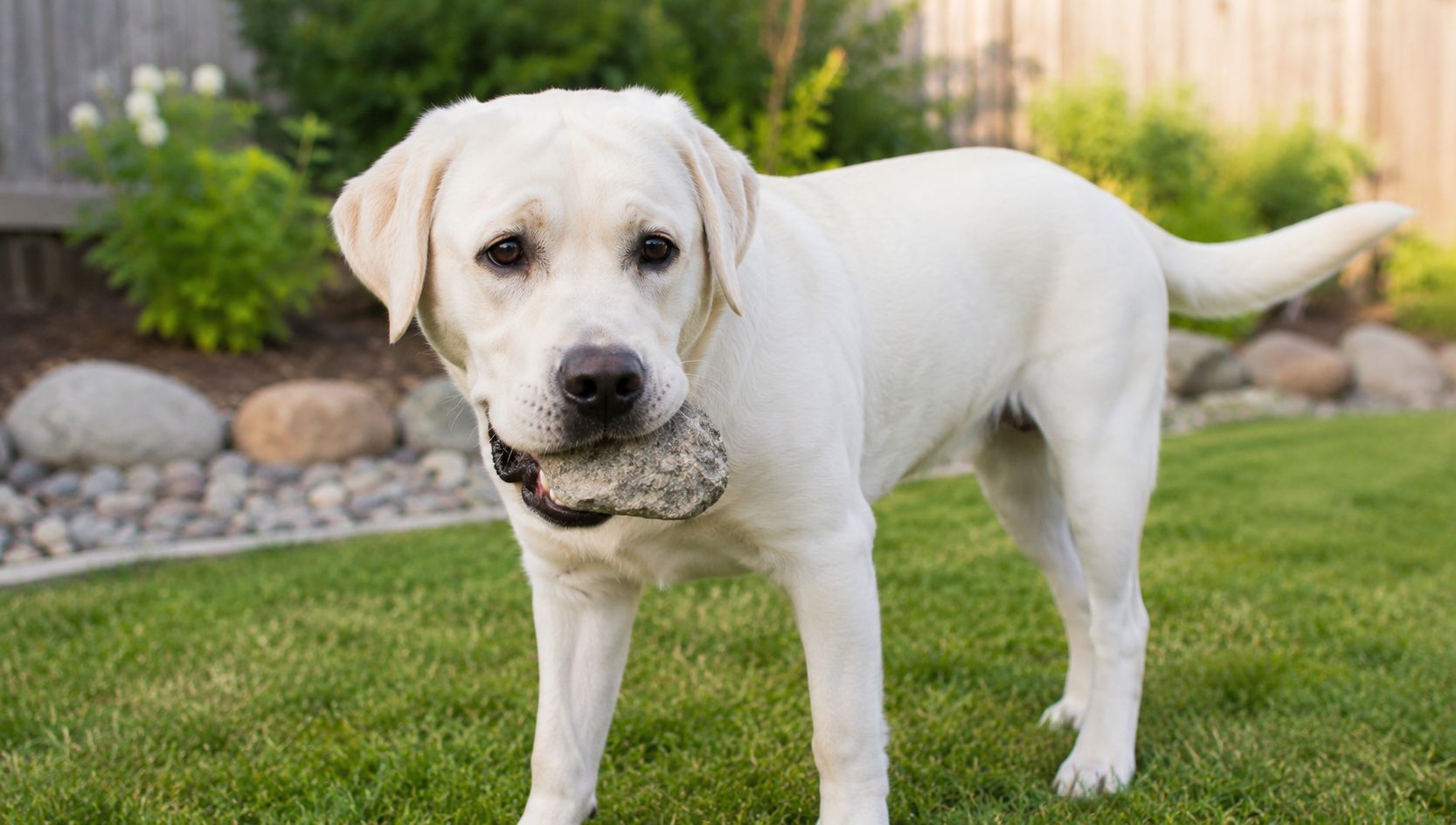
Rocks can damage your dog’s teeth, create choking hazards, and even cause life-threatening intestinal blockages. It’s important to understand why dogs eat rocks in the first place, so you can work toward stopping the behavior. Once you identify the cause, you can usually redirect your dog toward safer habits and prevent future problems.
Why Do Dogs Like Rocks?
Dogs are naturally curious animals, and many explore the world with their mouths. Rocks have unusual textures, earthy smells, and cool temperatures that can appeal to some dogs. Puppies especially enjoy chewing on hard objects while they are teething because the pressure can temporarily soothe sore gums.
For some dogs, rocks become a form of entertainment. Dogs that spend long periods alone in the yard may start chewing stones out of boredom. Others enjoy the challenge of picking them up or tossing them around. Certain breeds with strong retrieving instincts may also develop a habit of carrying rocks much like they would a ball or toy.
Some dogs simply like the sensory experience. The rough texture and crunch can feel rewarding in the same way chewing sticks or hard toys does. It’s the same reason why some dogs like to pick up different items on walks. Unfortunately, what starts as harmless curiosity can become an unhealthy obsession over time.
Is Eating Rocks Dangerous for Dogs?
Eating rocks is never considered safe. Even small stones can create serious medical problems. Sharp rocks may crack teeth, cut the gums, or injure your dog’s throat. Larger rocks can become lodged in your dog’s stomach or intestines, causing dangerous blockages that may require emergency surgery.
If your dog swallowed a rock, he might exhibit the following symptoms: vomiting, loss of appetite, constipation, lethargy, abdominal pain, or difficulty passing stool. Some dogs may gag, drool excessively, or appear restless after swallowing stones.
If you suspect your dog swallowed a rock, contact your veterinarian immediately. Waiting too long can allow an obstruction to worsen.
Medical Reasons Dogs Eat Rocks
Sometimes rock eating points to an underlying medical or behavioral issue. Dogs that repeatedly swallow non-food objects may have a condition called pica. Pica refers to the compulsive consumption of things that are not food, including rocks, dirt, paper, or fabric.
Several health conditions can contribute to pica in dogs. Nutritional deficiencies may cause dogs to seek unusual items. Gastrointestinal disorders, anemia, parasites, and certain metabolic conditions can also trigger abnormal eating behaviors.
Stress and anxiety may play a role as well. Dogs dealing with separation anxiety, chronic stress, anxiety, or insufficient mental stimulation can sometimes develop compulsive habits like chewing or swallowing rocks.
If your dog suddenly starts eating rocks or becomes obsessed with the behavior, it is important to schedule a veterinary examination to rule out medical causes.
How to Stop Your Dog From Eating Rocks
The best way to stop a dog from eating rocks usually requires a combination of supervision, training, and environmental changes. Consistency is important because many dogs repeat the behavior simply because it has become a habit.
Remove Access to Rocks Whenever Possible
The easiest way to prevent rock eating is to limit your dog’s access to rocks. If your yard contains loose gravel or decorative stones, consider replacing them with safer landscaping materials such as mulch, grass, or larger pavers that cannot be picked up.
During walks, keep your dog on a leash and redirect attention away from rocky areas. Supervision matters, especially if your dog already has a history of swallowing stones.
Dogs often repeat behaviors that we accidentally overlook. Preventing opportunities to practice the habit can make a major difference.
Provide Better Chewing Alternatives
Many dogs chew rocks because they need an outlet for chewing behavior. If you can offer safe alternatives, it can help satisfy that urge to chew. Durable chew toys, rubber enrichment toys, frozen treats, and veterinarian-approved dental chews can redirect your dog’s attention toward safer objects.
Rotating toys regularly can also keep your dog engaged. Some dogs lose interest when the same toys are available every day.
Interactive puzzle toys and food-dispensing toys provide both mental stimulation and chewing satisfaction, which may reduce the appeal of rocks.
Increase Exercise and Mental Stimulation
Bored dogs often develop destructive or compulsive habits. Increasing your dog’s physical and mental activity may significantly reduce rock eating behavior.
Daily walks, training sessions, scent games, fetch, and enrichment activities help keep your dog engaged.
Mental stimulation can tire dogs out just as effectively as physical exercise. Teaching new commands, introducing puzzle feeders, or practicing short obedience sessions throughout the day can help prevent boredom-related behaviors.
Teach Your Dog The “Leave It” Command
Training commands such as “leave it” can be an effective way for dogs that try to grab rocks during walks or outdoor play.
Start training your dog indoors using treats before practicing outside around distractions. Reward your dog immediately when they ignore the object you asked them to leave alone. Over time, your dog learns that ignoring rocks leads to positive rewards.
Consistency is important. Every family member should respond the same way when the dog approaches rocks.
Avoid yelling or harsh punishment. Punishment can increase anxiety and may actually worsen compulsive behaviors in some dogs.
Address Anxiety or Stress
If your dog eats rocks during stressful situations, reducing anxiety may help stop the behavior. Dogs experiencing separation anxiety or chronic stress often benefit from predictable routines, calming activities, and additional interaction with their owners.
Some dogs improve with increased exercise and enrichment alone, while others may require professional training or behavioral support. In severe cases, veterinarians may recommend working with a veterinary behaviorist.
Pay attention to when the behavior occurs. If your dog only chews rocks when left alone or during stressful events, emotional triggers may be contributing to the problem.
Can Puppies Outgrow Eating Rocks?
Some puppies stop chewing rocks naturally as they mature, especially after teething ends. However, you should never assume the behavior is harmless or temporary. Puppies can still choke on rocks or develop intestinal blockages.
Early training and supervision are important. Redirect puppies toward appropriate chew toys and reward them for engaging with safe objects instead of rocks.
The earlier you intervene, the easier it usually is to break the habit.
When to Call the Veterinarian
You should contact your veterinarian if your dog repeatedly eats rocks, swallows stones, damages teeth while chewing rocks, or shows signs of illness after exposure to rocks.
Repeated rock eating often signals an underlying issue that needs attention. A veterinarian can check for nutritional deficiencies, digestive problems, dental pain, anxiety-related behaviors, or other medical concerns contributing to the habit.
Seek emergency veterinary care immediately if your dog vomits repeatedly, stops eating, becomes lethargic, strains to defecate, or appears to have abdominal pain after swallowing a rock.
Final Thoughts on Dogs Eating Rocks
If your dog is eating rocks, you can improve the situation with the proper management, supervision and training.
For some dogs, rocks provide entertainment, sensory stimulation, or stress relief. For others, the habit may signal boredom, anxiety, or an underlying medical issue. By providing safer chewing outlets, increasing enrichment, and working with your veterinarian, when necessary, you can greatly reduce the risk of dangerous rock-eating behavior.