- Your Pet's Wellbeing
- Posts
- Why Does My Dog Sleep So Much?

If your dog seems to spend most of the day snoozing, you might wonder why your dog seems to sleep a lot! The truth is, dogs naturally sleep far more than humans do, and in many cases, it’s completely normal. However, excessive sleep can sometimes signal something deeper, depending on your dog’s age, breed, lifestyle, and overall health.
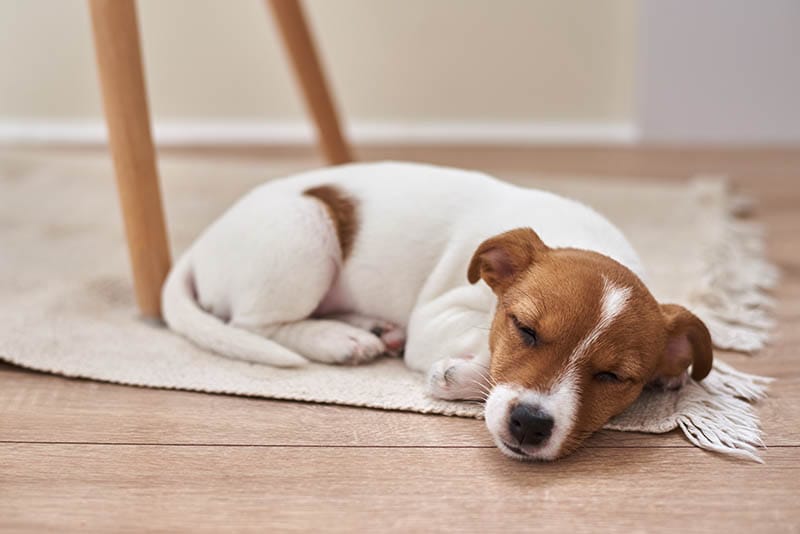
It’s important to understand what a typical sleeping pattern should be for you dog to make sure your pup is happy, healthy, and getting the right kind of rest.
How Much Sleep Do Dogs Really Need?
Dogs are biologically wired to sleep more than humans. The average amount that adult dogs sleep is somewhere between 12 and 14 hours a day. Puppies, on the other hand, can sleep anywhere up to 18–20 hours daily because their bodies are growing and developing rapidly. Senior dogs also tend to sleep more as their energy levels decrease with age.
Dogs don’t experience long, consolidated sleep cycles like humans. Instead, they take multiple naps throughout the day, often dozing lightly and waking easily at any sign of activity. Some dogs might even be in a semi-sleeping pattern with their eyes open.
Breed and Genetics Play a Big Role
Some dog breeds are naturally more prone to sleeping than others. Larger breeds like Mastiffs, Saint Bernards, and Great Danes tend to conserve energy and spend more time resting. These dogs were historically bred for guarding or low-energy work, so long periods of inactivity are normal for them.
On the flip side, high-energy breeds such as Border Collies or Australian Shepherds usually sleep less during the day, unless they’re bored or not getting enough stimulation. If you have an active breed that suddenly starts sleeping more than usual, it could be a sign that something is off.
Age Matters: Puppies vs. Adult Dogs vs. Seniors
Age is one of the biggest factors when it comes to a dog’s sleeping pattern.
Puppies need extra sleep because their bodies are busy building muscles, strengthening bones, and developing cognitive skills. Sleep is necessary for their growth, and those long naps are actually helping them process everything they learn while awake.
Adult dogs typically settle into a consistent sleeping routine. They balance rest with play, exercise, and interaction. If your adult dog suddenly starts sleeping more than usual, it’s worth taking a closer look at any changes in their home environment or health.
Senior dogs often slow down significantly. Just like aging humans, older dogs tire more easily and need additional rest to recover. Increased sleep in senior dogs is usually normal, but it should still be paired with alertness and interest during waking hours.
Boredom and Lack of Stimulation
One of the most overlooked reasons behind excessive sleeping is simply boredom. Dogs are intelligent, social animals that need both physical exercise and mental stimulation. Without enough activity, they may resort to sleeping simply because there’s nothing else to do.
If your pup seems to sleeps a lot, but then perks up instantly when you grab the leash or offer attention, boredom could be the culprit. Increasing daily walks, introducing puzzle toys, or engaging in interactive play can make a big difference. In many cases, a “lazy” dog is actually just an under-stimulated one.
Diet and Lifestyle Factors
What your dog eats, and how active they are, can also influence sleep patterns. Dogs on lower-quality diets may experience energy dips that lead to more time spent resting. Similarly, dogs that don’t get enough exercise may sleep excessively, not because they’re tired, but because they lack stimulation.
On the other hand, highly active dogs may sleep more deeply and for longer periods because their bodies need time to recover. The key is balance. A healthy dog should have a rhythm of activity and rest that feels consistent day to day.
Weather and Seasonal Changes
Have you ever noticed your dog sleeping more on rainy or cold days? Dogs can be sensitive to environmental changes, just like we are. Gloomy weather often leads to reduced activity levels, which can result in more napping.
Seasonal changes can also play a role. Shorter daylight hours in the winter may naturally encourage longer rest periods. This type of increased sleep is usually temporary and aligns with changes in routine or environment.
Do Dogs Sleep as Much as Cats?
Dogs may seem like champion nappers, but they generally don’t sleep as much as cats. While most dogs average around 12 to 14 hours of sleep per day, cats often sleep between 15 and 20 hours daily. Cats are natural predators with bursts of high energy followed by long periods of rest, which is why they tend to log more sleep overall.
Dogs, on the other hand, are typically more social and adaptable to human schedules, so their sleep tends to be a bit more spread out and slightly shorter in total duration.
When to Be Concerned About Excessive Sleep
While it’s normal for your dog to sleep a lot, there are times when increased sleep can signal an underlying issue. The key is to look at the bigger picture, including your dog’s behavior, appetite, and energy levels when awake.
If your dog is not only sleeping more but also seems lethargic, uninterested in activities they once enjoyed, or reluctant to move, it could point to a health concern. Conditions such as infections, hypothyroidism, depression, or chronic pain can all lead to increased sleep.
Sudden changes are especially important to note. If your dog’s sleep habits shift dramatically without an obvious reason such as a change in your dog’s exercise routine or weather, it’s worth talking to your veterinarian.
Signs Your Dog’s Sleep Is Healthy
Healthy sleep in dogs isn’t just about quantity, it’s also about quality. A well-rested dog will wake up alert, responsive, and ready to engage with their environment. He or she should show interest in food, play, and interaction.
Normal sleep behaviors include twitching, soft barking, or movement during dreams, which occur during REM sleep. These are all signs that your dog is experiencing natural, restorative rest.
If your dog stretches, wags their tail, and seems eager to start the day after waking, chances are their sleep habits are perfectly normal.
How to Support Your Dog’s Healthy Sleep Habits
Regular exercise, consistent feeding times, and a comfortable sleeping environment all contribute to your dog’s healthy sleeping patterns.
Make sure your dog has a quiet, cozy place to rest where they feel safe and undisturbed. Incorporating daily mental stimulation, such as training sessions or puzzle toys, can also reduce boredom-related sleeping.
Pay attention to your dog’s natural rhythm. Some dogs are more active in the morning, while others perk up in the evening. Make sure to align your dog’s activities with their natural energy cycles to help your dog maintain a healthy balance between rest and activity.
The Bottom Line On Your Dog’s Sleep
If your dog sleeps a lot, it is usually completely normal and reflects their natural biology. Dogs are built to rest more than humans, and factors like age, breed, lifestyle, and environment all play a role in how much sleep they need.
The most important thing is to observe your dog as a whole. If your pup is eating well, engaging with you, and showing normal behavior when he or she is awake, their extra sleep is likely nothing to worry about. But if something feels off or their habits change suddenly, it’s always a good idea to check in with your veterinarian.