- Your Pet's Wellbeing
- Posts
- Why Is My Dog Losing Hair? Causes, Symptoms and Treatment
Why Is My Dog Losing Hair? Causes, Symptoms and Treatment
When To See The Vet

Lisa Fimberg
April 29, 2026
If you notice patches of missing fur on your dog, it can be unsettling, especially when their once thick, shiny coat starts to thin or fall out. Dog hair loss. also known as alopecia in dogs, is a common concern for pet parents and it can stem from a wide range of causes.
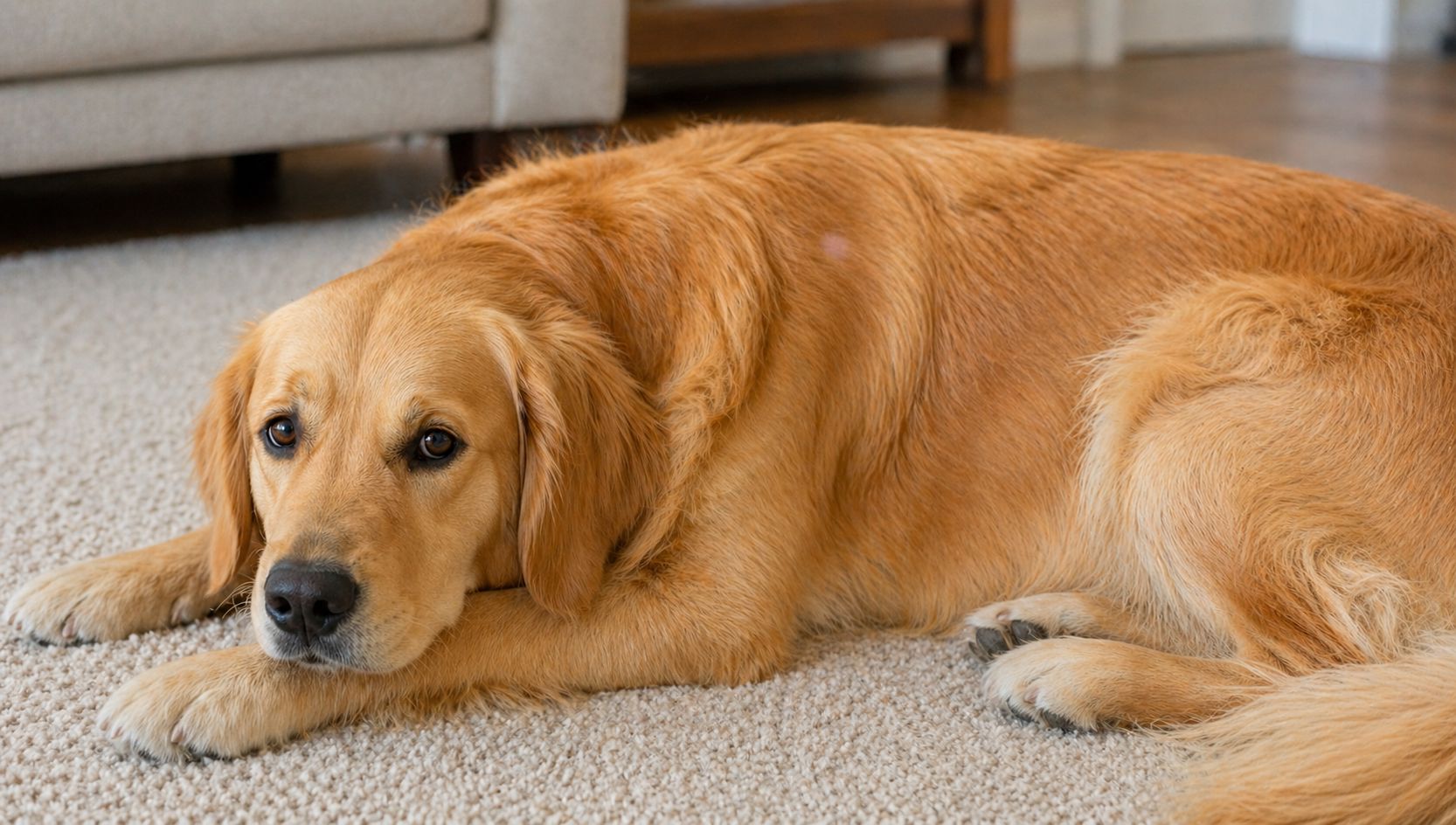
Some of the causes are relatively harmless and easy to fix, while others may signal an underlying health issue that needs attention. It is important to understand why your dog is losing hair to figure out how to help your pup feel comfortable and healthy again.
Normal Shedding vs. Abnormal Hair Loss in Dogs
All dogs shed to some degree (as evidenced by our couches and cars!). Breeds with double coats, like Huskies or Golden Retrievers, tend to shed seasonally, while others may shed lightly year-round. This type of shedding is normal and typically doesn’t leave behind bald patches or irritated skin.
Hair loss becomes a concern when you notice uneven thinning, bald spots, excessive scratching, redness, or changes in your dog’s skin. If your dog’s coat looks dull, patchy, or unhealthy, it usually points to something more than routine shedding.
Common Causes of Hair Loss in Dogs
One of the most common reasons dogs lose hair is related to skin conditions. Allergies, parasites, infections, and hormonal imbalances can all disrupt the normal hair growth cycle.
Allergies are also a major culprit. Dogs can develop allergic reactions to environmental triggers like pollen, dust mites, or mold, as well as certain foods. When a dog has allergies, they often scratch, lick, or chew excessively, which damages the hair and leads to noticeable thinning or bald spots. Areas like the paws, ears, belly, and face are especially prone to allergy-related hair loss.
Parasites such as fleas, mites, and lice can also cause significant hair loss. Fleas can trigger intense itching from even a single bite. Dogs may chew at their skin so aggressively that they remove fur and create raw, inflamed areas. Mites, which cause conditions like mange, can lead to patchy or widespread hair loss depending on the type.
Bacterial and fungal infections are another common cause. These infections often develop when the skin barrier becomes compromised, sometimes due to allergies or excessive moisture. Ringworm, despite its name, is a fungal infection that can cause circular areas of hair loss and flaky skin.
Hormonal imbalances can affect your dog’s coat as well. Conditions such as hypothyroidism or Cushing’s disease often lead to symmetrical hair loss, when the hair loss appears evenly on both sides of your dog’s body. In these cases, the skin may also appear darker or thicker, and the coat may stop growing back normally.
Stress and Behavioral Causes
Hair loss in dogs isn’t always manifested physically and can also be behavioral. Dogs that feel anxious, bored, or stressed may lick or chew themselves excessively, a condition known as psychogenic alopecia. This type of hair loss often appears on easily reachable areas like the legs, tail, or sides.
Changes in routine, lack of mental stimulation, or separation anxiety can all contribute to this behavior. While it may look like a skin issue at first, addressing the underlying emotional trigger is key to resolving the problem.
Nutritional Deficiencies and Coat Health
Your dog’s diet also plays a major role in maintaining a healthy coat. A lack of essential nutrients, particularly omega-3 and omega-6 fatty acids, can lead to dry skin, dull fur, and increased shedding. Protein is also critical, as hair is primarily made of keratin, a type of protein.
Low-quality dog food or an unbalanced diet can gradually impact your dog’s coat condition. In some cases, simply upgrading to a more nutritionally complete diet can improve hair growth and reduce shedding over time.
Why Dogs Lose Hair on Their Tail
Hair loss on the tail deserves special attention because it often points to specific causes. One of the most common reasons is flea infestation. Dogs with fleas frequently lose hair at the base of the tail, as this is a favorite feeding spot for fleas. Even if you don’t see any fleas, their presence can still trigger intense itching and hair loss.
Another possibility is “stud tail,” a condition linked to overactive sebaceous glands at the base of the tail. This can cause greasy skin, hair thinning, and sometimes a strong odor. It’s more common in unneutered males but can occur in any dog.
Behavioral issues can also contribute to tail hair loss. Dogs that chew or lick their tails due to anxiety or boredom may gradually remove the fur in that area. Over time, the skin may become irritated or thickened.
In some cases, underlying medical conditions like allergies, infections, or hormonal imbalances can also show up on the tail. Because the tail is easy for dogs to reach, it often becomes a target for self-trauma when something feels uncomfortable.
When to See a Veterinarian
While mild shedding or temporary hair thinning might not require immediate concern, persistent hair loss should never be ignored. If your dog develops bald patches, inflamed skin, scabs, or a noticeable change in behavior, it’s time to consult your veterinarian.
A vet will typically perform a thorough physical exam and may recommend tests such as skin scrapings, blood work, or allergy testing. These steps help pinpoint the exact cause so that treatment can be tailored effectively.
Early intervention makes a big difference. Many causes of hair loss are much easier to treat when caught early, before secondary infections or chronic irritation develop.
Treatment and Management Options
Treatment for dog hair loss depends entirely on the underlying cause. For parasites, medications like flea preventatives or mite treatments are often highly effective. Allergies may require dietary changes, medications, or environmental management to reduce exposure to triggers.
Infections typically respond well to antibiotics or antifungal treatments, while hormonal conditions may need long-term management with prescription medication. If stress or behavioral issues are at play, increasing exercise, enrichment, and mental stimulation can help reduce compulsive licking or chewing.
Improving your dog’s diet can also support coat recovery. High-quality food with the right amount of good fatty acids, along with supplements recommended by your vet, can promote healthier skin and hair growth over time.
Supporting a Healthy Coat Long-Term
Maintaining your dog’s coat goes beyond treating hair loss and involves consistent care and attention. Regular grooming helps remove loose fur, distribute natural oils, and keep the skin in good condition. Routine flea prevention is essential, even for indoor dogs, as parasites remain a leading cause of hair loss.
Pay attention to changes in your dog’s coat, skin, or behavior. Subtle shifts often provide early clues that something isn’t quite right. By staying proactive and addressing issues early, you can help your dog maintain a full, healthy coat and overall well-being.