- Your Pet's Wellbeing
- Posts
- Why Is My Dog Throwing Up Yellow Foam?

If your dog throws up yellow foam, it can be very unsettling, especially when it seems to come out of nowhere. This type of vomiting is actually quite common, and in many cases, it points to something relatively manageable. Still, yellow foam vomit in dogs can also signal underlying issues that need attention.
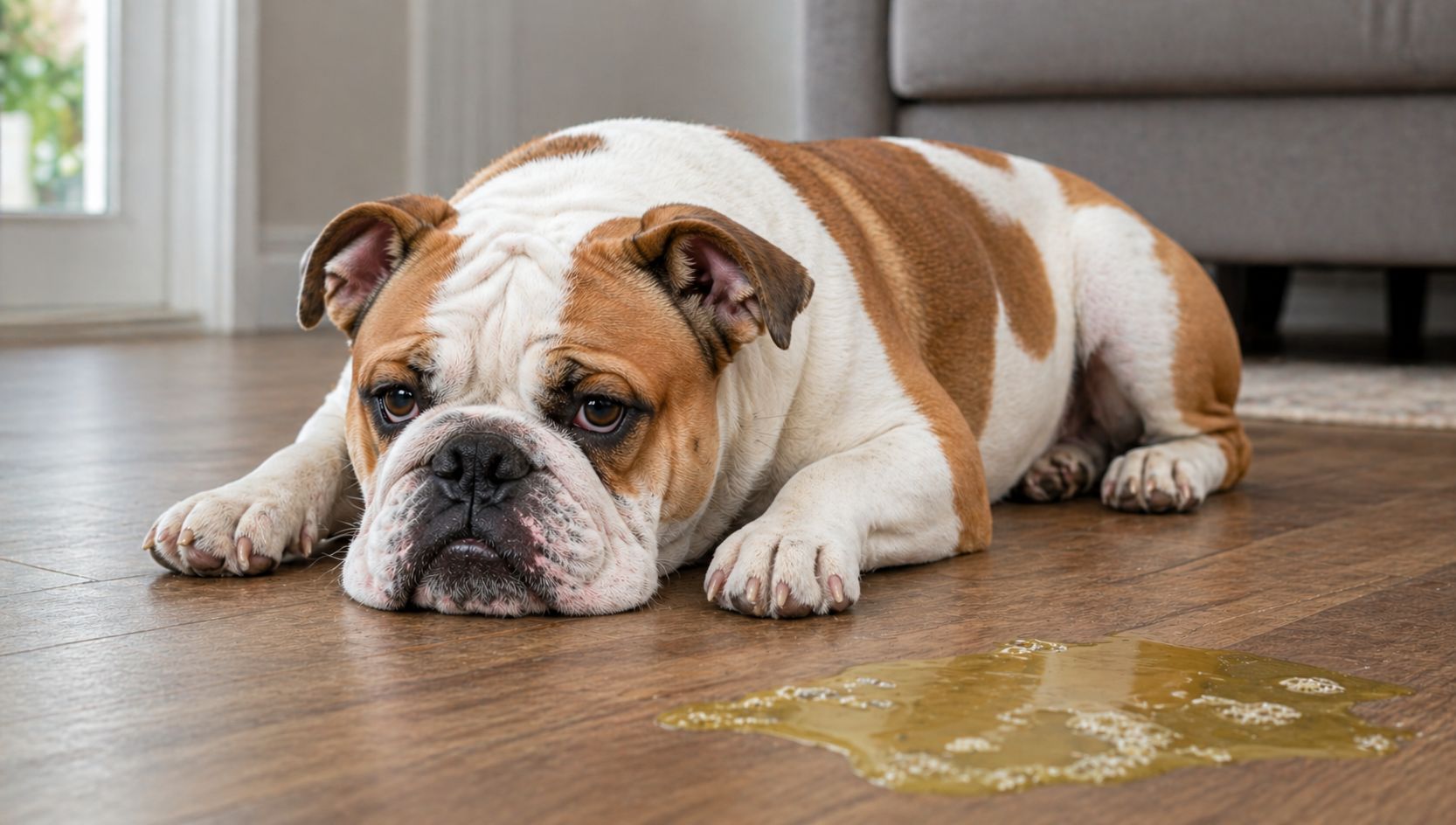
By understanding what causes it, what you can do about it and when you should be concerned, it can help you respond quickly and appropriately.
What Does Yellow Foam Vomit Mean in Dogs?
When your dog throws up yellow foam, that yellow color usually comes from bile. Bile is a digestive fluid produced by the liver and stored in the gallbladder which helps break down fats in the small intestine. If your dog vomits on an empty stomach, bile can rise into the stomach which can cause that distinctive yellow, foamy appearance. This is different from regular vomiting when your dog might have merely eaten something wrong.
This is why many dog parents notice their dog vomiting yellow foam early in the morning or late at night, when the stomach has been empty for a while. While occasional bile vomiting may not be a serious problem, frequent episodes should not be ignored.
Common Causes of Yellow Foam Vomiting in Dogs
One of the most common reasons for yellow foam vomit in dogs is something called bilious vomiting syndrome. This condition occurs when bile irritates the stomach lining, usually due to long gaps between meals. Dogs with this issue often vomit yellow foam but otherwise act normal, with a healthy appetite and energy level.
Dietary issues also play a major role. If your dog eats something that doesn’t agree with hie or her, whether it’s table scraps, spoiled food, or even a sudden switch in dog food, your dog’s stomach can become irritated, leading to vomiting bile. Dogs that scavenge outdoors or get into the trash are especially prone to this.
Another frequent cause is an empty stomach combined with excess stomach acid. Some dogs produce more acid than others, and when there’s no food to buffer it, irritation builds and results in vomiting yellow foam.
Gastrointestinal upset from infections, parasites, or inflammation can also trigger this symptom. Conditions like gastritis or intestinal infections often lead to repeated vomiting, sometimes accompanied by diarrhea or lethargy.
In more serious cases, yellow foam vomiting can be linked to underlying health problems such as pancreatitis, liver disease, or intestinal blockages. These conditions usually come with additional symptoms like abdominal pain, loss of appetite, weakness, or dehydration.
When Should You Be Concerned?
If your dog merely throws up yellow foam every once in a while, especially if your pup seems otherwise seem happy and healthy, it probably does not have to be worried about right away. Yet, the pattern and frequency matter.
If your dog vomits yellow foam repeatedly over a short period, or if it becomes a regular occurrence, it’s time to take a closer look. Persistent vomiting can lead to dehydration and may indicate a deeper issue that needs veterinary care.
You should also pay attention to other symptoms. If your dog shows signs of lethargy, refuses to eat, has diarrhea, appears to be in pain, or continues vomiting throughout the day, those are red flags. Vomiting combined with a swollen abdomen, restlessness, or attempts to vomit without producing anything could even signal a serious emergency like bloat.
Puppies, senior dogs, and dogs with existing health conditions are more vulnerable, so even mild symptoms in these groups deserve prompt attention.
How to Help If Your Dog Is Throwing Up Yellow Foam
If your dog vomits yellow foam but otherwise seems normal, you can often manage the situation at home with a few simple adjustments. Try feeing your dog smaller, more frequent meals throughout the day which can help prevent your dog’s stomach from becoming empty for long periods. This approach reduces bile buildup and can stop the cycle of vomiting.
You can also try offering your dog a small meal before bedtime if your pup tends to vomit early in the morning. This keeps something in the stomach overnight and helps buffer stomach acid.
Diet plays a key role as well. Feeding a high-quality, easily digestible dog food can reduce irritation and support healthy digestion. If you recently changed your dog’s food, consider whether that transition may have triggered the issue. Gradual changes over several days are always easier on the digestive system.
Make sure your dog has constant access to fresh water, especially after vomiting. Hydration helps the body recover and prevents complications.
If your dog has a sensitive stomach, your veterinarian may recommend a bland diet for a short period. Foods like plain boiled chicken and rice can soothe your dog’s stomach and give it a chance to settle.
When to See the Veterinarian
While mild, occasional bile vomiting can often be managed at home, you should contact your veterinarian if the symptoms persist or worsen. Regular vomiting may require diagnostic testing such as blood work, imaging, or stool analysis to identify the root cause.
Your vet may prescribe medications to reduce stomach acid, protect the stomach lining, or control nausea. In cases involving infections or parasites, targeted treatments are usually necessary.
If an underlying condition like pancreatitis or liver disease is suspected, early diagnosis and treatment are crucial for a better outcome. Waiting too long can allow the condition to progress and make treatment more complicated.
Preventing Yellow Foam Vomiting in Dogs
Preventing your dog from throwing up yellow foam often comes down to consistency and routine. Regular feeding schedules help keep your dog’s s digestive system balanced and can help to prevent bile buildup. Avoid giving your dog fatty or inappropriate foods and keep trash and harmful items out of reach.
For dogs prone to sensitive stomachs, sticking to a stable, high-quality diet and avoiding frequent food changes can make a big difference. And, of course, routine veterinary checkups also play an important role in catching underlying health issues early.
The Bottom Line
If your dog is throwing up yellow foam, it often points to bile and an empty or irritated stomach. In many cases, it’s something manageable with small adjustments to feeding routines and diet. However, repeated or severe vomiting should never be ignored, as it can indicate more serious health concerns.
Pay attention to patterns, watch for additional symptoms, and trust your instincts. When in doubt, reaching out to your veterinarian is always the safest move.